



Posted by Elise Musumano
By Meagan Collins & Matthew Teeter, as published in Executive Insight
The Occupational Safety and Health Administration (OSHA) has recognized that more than 200 deaths and 9,200 infections related to blood-borne pathogens occur each year. Of those infections, the hepatitis B virus (HBV), hepatitis C virus (HCV), and the human immunodeficiency virus (HIV) are the most common resulting from accidental exposure to blood-borne pathogens (United States Department of Labor, 1991).
More than 5.6 million workers in the United States are exposed to blood-borne pathogens - from doctors to lifeguards and rescue workers - and therefore are at risk of infection. Almost 75 percent of those people work in the healthcare industry. The consequences of poor prevention planning and follow-through are seen not only in individual's health, but in the respective organization's balance sheets.
For example, fines for OSHA violations can run thousands of dollars, yet they are easily avoidable. One of the most common mistakes is seen when a designated safety officer is responsible for meeting OSHA regulations across their facility and other employees shrug individual compliance responsibilities. This is, without question, one of the biggest influencers permitting a facility to slide into noncompliance.
Beyond that, inadequate training protocol, improper handling and disposal of bio hazardous waste, and a lack of an emergency plan all carry heavy risk and fines. The most frequent OSHA violation fined between July of 2009 and June of 2010 was a direct result of engineering and work practice controls not being used to eliminate or minimize employee exposure, according to an HCPro report released in 2010. The average initial cost for this fine was $1,371.
With that said, here are three ways you can lower your risk of noncompliance, keep your workers safe and eliminate fines.
1. Adequate training for all levels of personnel
Failure to train employees in occupational exposure carries an average fine of $750. Being proactive and training employees in clean-up and decontamination procedure is mandatory, not only for the well being of employees' and patients' health, but also to your hospital's finances. According to an International Sharps Injury Prevention Safety (ISIPS) report, when training fails to occur at one or more of the following times - during initial assignment, annually or within one year of previous training - a $7,500 is a likely consequence. Fines issued for training violations do not end there, either.
Remember to:
- Provide an explanation of the use and limitations of methods to prevent or reduce exposure; violating this typically bears an $800 fine.
- Include interactive questions and answers during a training session; overlooking this small detail costs $1,125.
Don't forget: training must be held at no cost to the employee and must be conducted during their working hours. In addition to this, further training must be provided if an individual's exposure to blood-borne pathogens is modified. For example, if an employee is given a new task that poses additional exposure risks, then it is mandatory that you train him or her on these risks.
2. Proper disposal of bio hazardous waste
The average financial consequence for inaccessible, overflowing or unstable sharps containers is $416. Failing to identify type and brand of device on a sharps injury log typically carries a fine of $117 fine.
Remember to:
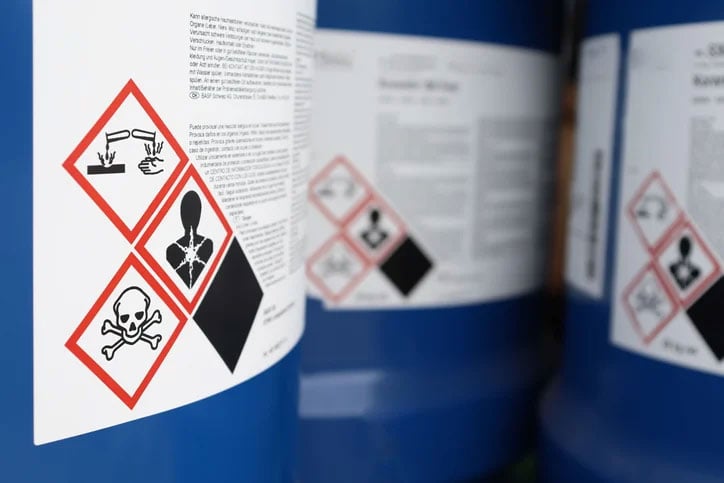
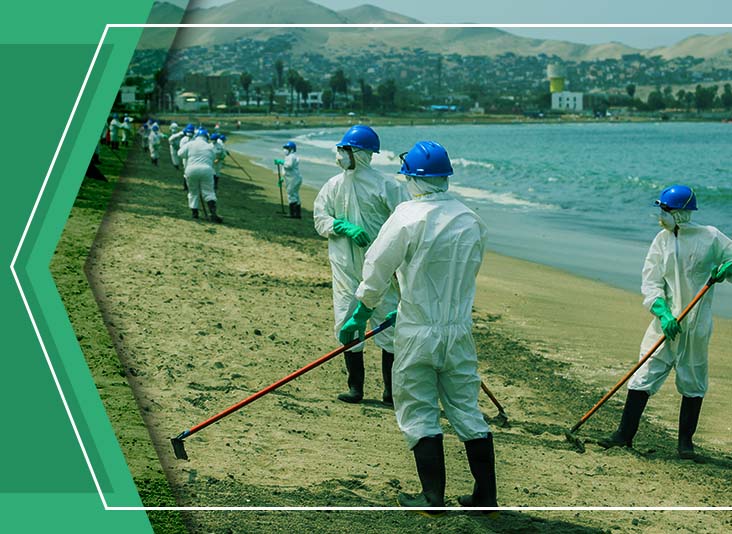
- Wear equipment that prevents one's skin, eyes, mouth, and work clothes from receiving exposure when handling biohazardous waste.
- Contain any regulated medical waste (RMW) in closable, appropriately-labeled containers that are leak-proof through handling, storing, transporting and shipping.
- Properly label bio hazardous waste with an orange or orange-red label. These labels are also required for contaminated equipment.
3. Written emergency plan that is followed
The average financial consequence for a plan that fails to address procedures for exposure incidents and their investigation is $2,277. Failing to keep an up-to-date exposure control program that reflects new tasks, procedures and practices carries an average fine of $1,297.
Make certain to have a written exposure control program that:
- Evaluates routine tasks and procedures.
- Reviews methods to reduce the risk of accidental procedure.
- Clearly articulates the practices used to meet OSHA standards and accounts for every case of HBV, HCV and HIV.
Standards may seem particular or tricky at times, but they are easy to follow and in place to prevent infection and, ultimately, save lives. Health and safety are the clear, palpable reasons to uphold OSHA regulations. If hospitals are not compliant, then they are at risk to add to the statistic of infections and deaths that occur yearly as a result of blood-borne pathogen exposure. When it comes to OSHA regulations, don't wait until you receive a fine - or worse, an accident happens - to audit and improve your program.