



Hexanes in My Food?
Posted by Mark Campanale

by Meagan Collins, Chemist
Generally speaking, people who make the conscious decision to consume organic food products with soy protein are doing so in an effort to be healthier or environmentally conscious. However, the consumer may be in for more than they bargained for. The delicious soy burger or protein bar they are about to consume may contain trace amounts of hexane.
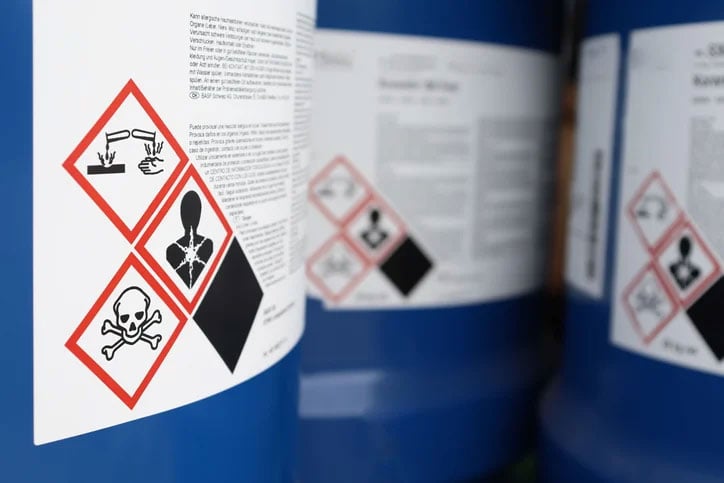
Hexane is “a colorless, flammable liquid alkane derived from petroleum and used as a solvent”. It is used by some food manufacturers to extract soy protein, particularly in the form of soy protein isolate. The process involves immersing whole soybeans in a bath of “synthetic, petroleum-based solvents”.
Hexane is among chemicals banned in food designated as 100%
organic, but still used in “natural” food production. In the United States, food can be labeled “organic” if 70% of a product fits the definition. This means the remaining 30% may have been subject to the hexane extraction process. Some food manufacturers have eliminated the use of hexane including Tofurkey and Nature’s Path. Other countries have designated legal limits of hexane residue in food, but the US Food and Drug Administration has yet to do so. The USFDA also does not require food manufacturers to test for hexane residues.
When choosing a soy food product, research may be necessary to avoid consuming soy foods that have gone through the hexane extraction process. Comprehensive and up-to-date lists of food manufacturers that do not use hexane to extract soy protein are available on the internet.
Souces:
1. http://www.cornucopia.org/2010/11/dirty-little-secret-in-the-natural-foods-industry-toxic-chemical-use/ (Accessed November 29, 2010)
2. http://www.cbsnews.com/stories/2010/04/14/health/main6395841.shtml (Accessed January 15, 2011)
3.http://www.foodconsumer.org/newsite/Safety/chemical/250520090835_hexane_ignites_soy_controversy.html (Accessed January 15, 2011)
4. wordnetweb.princeton.edu/perl/webwn (Accessed January 16, 2011)