

Waste minimization is a core topic in the environmental health and safety community. Diversion and recycling has been praised by environmental experts. Before you get to that point, how about reducing waste? How about reducing waste at its source? By participating in source reduction, businesses can save money by avoiding waste collection, storage, and disposal costs, as well as lower emissions prevention, liability, and regulatory compliance costs. Here are five strategies for reducing waste at the source.
Conduct a Waste Stream Audit
It is critical to assess waste source reduction and effects. There's no way to tell what activities and strategies would be critical to reducing waste without evaluating your waste streams. You can start implementing a program once you've conducted a waste audit, tracked the source, and decided where your best bet for ROI is.
Reduce Packaging Waste
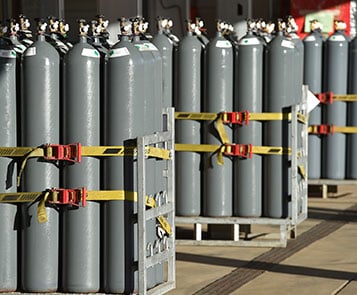
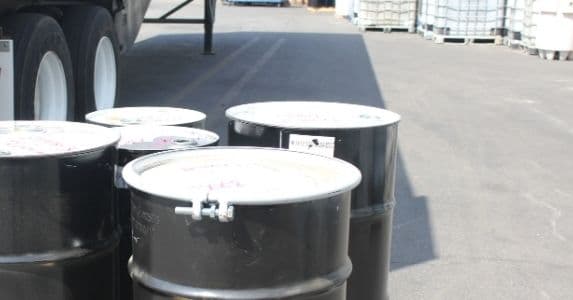
Overpackaging or using disposable packaging will increase your company's waste production. Consider reusable and recyclable containers when purchasing containers for hazmat shipping and hazardous waste disposal. This strategy will not only help you reduce waste, but it will also help you save money.
Selective Purchasing
The Environmental Protection Agency recommends that you buy goods that are long-lasting, reusable, and repairable. Buying in bulk and eliminating single-use goods are two top tips for strategic purchasing with the goal of waste reduction. Consider the solid waste and toxicity created by an object when making a purchase. Choose sustainable solutions wherever possible and consider how the substance will be disposed of in the end. By attempting to reduce waste before a product is purchased rather than after it has been purchased, you are not only minimizing waste but also saving time in the waste removal and minimization process.
Policy Changes
Reducing the need for waste-generating materials is another way to minimize waste at the source. Changing practices at your company to ensure that all goods are used to their full potential is one way to accomplish this. For instance, all paper printing should be double-sided, and all mail should be sent electronically.
Upgrade Your Equipment and Technology
Some waste is created because of the type of equipment, not because of what is being purchased. Even if the products you're purchasing are designed to reduce waste, you won't get the best results if your equipment is outdated, inefficient, and produces twice as much waste as necessary.
When you notice a machine is inefficient and producing waste, it's time to calculate the long-term savings a new machine will provide. Decide if it would be more efficient to retire a machine early or plan the equipment for reduced waste generation once the ROI has been calculated. Whichever solution is best for your company, it will benefit your waste reduction and recycling efforts.
Our waste specialists at Triumvirate are highly skilled in environmental compliance, analytics, reporting, and more. We will help you find solutions to help your organization reduce waste and costs.