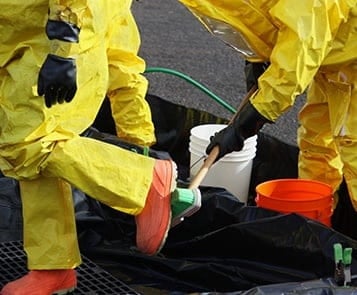
Fast and Reliable Emergency Response for Hazardous Waste and Spill Cleanups
Emergency situations are unpredictable and costly – disrupting the normal business process and compromising employee safety. With offices across the United States and Canada, our emergency response teams can be there fast, limit injuries, and keep damage to a minimum.
Experienced Emergency Response Teams
If spill cleanups are a common concern for you, you’ll take comfort in knowing you have a team of professionals with over 30 years of experience responding to hazardous waste and chemical spills. Our emergency response teams have everything they need to respond to and manage your emergencies:
Proper personal protective equipment
Booms and other supplies to contain and clean up spills
Appropriate meters and monitors to ensure respiratory safety
Reports detailing spill, cleanup, and clearance readings for local regulatory agencies and your insurance company
Emergency Response Capabilities
Our emergency response teams are on call 24/7 and our expertise extends beyond hazardous waste and spill cleanups:
Emergency response preparedness plans
Hazardous and non-hazardous waste and materials
Chemical spills
Mercury spills
Marine, rail, industrial, and commercial emergencies
High-hazard and energetic waste
Unknown odors
Natural disasters
Mock emergency response drills
Emergency response tabletop exercises
Fires, floods, hurricanes, and tornadoes
Emergency Response You Can Count On
If you want to take the worry out of handling hazardous waste and spill cleanups, you’ll need a team of experts you feel comfortable with. Accidents happen. Call us today.
Emergency Response Checklist
Emergency situations are unpredictable, but these guidelines help you manage a crisis while awaiting your emergency response team.