

Emergency Preparedness and Response Plans: A Complete Guide
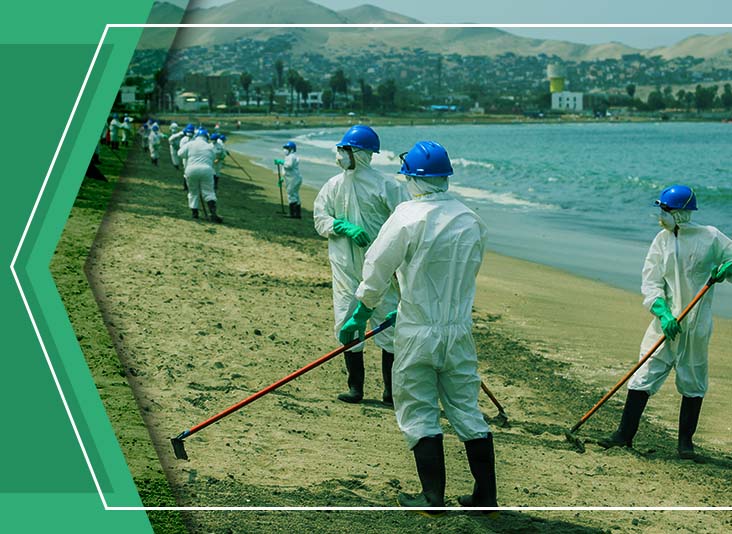
Inspired by Elizabeth Tautges’ master’s research, “Releases of hazardous materials and waste from transportation incidents in the US: an analysis to increase environmental resiliency.”
Emergencies are unpredictable and scary—yet they are also inevitable. Even if you do everything right, emergencies will arise; it’s important to ensure emergency preparedness and response plans are in place now so you can respond quickly when the unthinkable does occur. Whether you work in the life sciences, education, healthcare, manufacturing, or other industries, there are measures you can take and overarching themes to ensure you are prepared—no matter the emergency that arises.
Dealing with an emergency now? Call our team: 800-966-9282
Types of Emergencies
There are many types of emergencies that can occur onsite—not just chemical spills and health issues, but a myriad of things that can go wrong:
- Earthquakes, floods, wildfires, hurricanes, tornadoes, and other natural disasters
- Power outages
- Unknown odors
- Pipe leaks or bursts, emitting gases or water
- Bio-outbreaks
- Medical issues
- Chemical, oil, or hazardous waste spills
- Active shooters
- Marine, rail, or other transportation accidents
- Fire or excessive heat
What constitutes an emergency vs. a non-emergency?
Emergencies are:
- Anything that is immediately dangerous to life and health (IDLH)
- An uncontrolled release of hazardous substance to the environment
Everything else, including small volume spills, incidental events, and more, are non-emergencies. If you are ever unsure, call an emergency response team and ask.
Emergency Preparedness and Response Planning
You need to act fast when an emergency hits—both in assembling your teams and actually responding to the event. A holistic emergency preparedness and response plan will include both a contingency plan, the reactive strategy for handling emergency events as they occur, and an Emergency Action Plan (EAP), the proactive strategy to promote future safety during emergency events that have not yet occurred. Both are necessary to have a well-rounded and swift emergency response plan.
What is the difference between an emergency action plan and a contingency plan?
Contingency plans and EAPs cover both the reactive and proactive emergency strategies, respectively. The two work in conjunction to form a well-rounded emergency response planning strategy.
What is an emergency preparedness response plan?
An emergency preparedness response plan will include an emergency action plan (EAP) and a contingency plan. This is an exhaustive, documented outline of procedures needed to be prepared in the case of an emergency. It is used to familiarize workers with the various types of emergencies, inform people how to act in the face of an emergency, identify individual responsibilities, and provide resources that can support emergency response. It also outlines exactly how to use those resources, points of contact, and supplies as an emergency event is occurring. Having an emergency preparedness and response plan helps create a sense of security and ensure emergencies are handled competently and correctly.
Emergency Action Plans
The first thing to ask yourself for emergency preparedness and response is if your company has a plan. This plan is often mandated by state and/or federal regulations. Whether you are developing a plan for the first time or updating an outdated plan, talk through a risk assessment with your team and close any gaps in your facility’s response strategy. Emergency action plans (EAPs) are your chance to prepare for success for future emergency events.
What should an emergency action plan include?
There are standard topics that any emergency action plan should include; this is outlined in OSHA CFR 1910.38. Among those are:
- Emergency reporting procedures
- Steps to follow in an evacuation
- A list of emergency response contacts
- Emergency responder responsibilities checklist
- How to account for employees
- How to address medical/rescue emergencies
Is emergency response only governed under OSHA 1910.38?
OSHA 1910.38 only governs the actual emergency action plan needed to ensure appropriate response when an emergency event actually occurs. There are other regulations governing different aspects of emergency response as well, including OSHA’s Hazardous Waste Operations and Emergency Response (HAZWOPER) 1910.120 and 1926.65. HAZWOPER includes emergency action plan training for awareness, operations, technicians, specialists, and incident commanders. When dealing with chemicals, Resource Conservation and Recovery Act (RCRA) 40 CFR regulations may apply as well.
How often should we review our hazardous emergency action plan?
An organization needs to create an EAP when they have chemicals onsite, if they participate in HAZWOPER, when they have fixed extinguishing systems, and more; generally, it is best practice for every organization to have an EAP in place. This plan should be reviewed annually, and updates should also be made as needed.
An organization’s emergency response plan should be reviewed by staff upon hire, when any operational changes occur onsite, and when/if that employee’s duties are modified.
How do you write an emergency action plan?
The content of an emergency action plan will vary based on the federal and state-specific regulatory requirements relevant to an organization, the operational activities at a facility or location, and the facility’s generator status. If it is unclear what type of emergencies your location or facility might be susceptible to, assess the risks by performing a hazard assessment. Once risks are evaluated, determine the mitigation strategies and tools needed to respond to various emergencies. Identify the points of contact for various emergencies as needed, including any relevant local authorities or emergency response professionals. Document all of this within your emergency response plan and communicate this information to employees as necessary.
If you need help performing a hazard assessment or writing a plan, reach out to a trusted EHS consultant. It’s also a good idea to perform emergency action plan training and mock drills on a regular basis to help ensure you not only have a plan, but also know how to use it.
When are printed emergency action plans used?
Emergency action plans should be printed and also electronically accessible so employees, contractors, and staff can read, review, understand, and reference. Typically, quick reference guides displaying the most important details are printed and posted throughout the facility.
Emergency Response Teams
There should be, at least, an incident commander, emergency coordinator, and safety officer appointed for an emergency (with back ups based on schedules). Some companies working in highly risky markets have full-blown response teams of 40+ people including EMTs, even if their facility is relatively “small;” some larger sites have much smaller emergency response teams—opting instead to rely on dedicated point people only if an emergency was to arise.
What level of emergency response team is required on a site?
The biggest indicator of the level of emergency response team needed onsite is the potential emergencies that could occur. Some factors that should be taken into consideration when planning the size of your emergency response team are:
- Types of chemicals and hazards onsite
- Location of facility and relevant local weather patterns
- Frequency and methods of waste transportation
- Level of operational disruption (and costs) if an emergency were to occur
How can having external onsite support teams elevate emergency response?
Onsite environmental services support specialists, like Triumvirate’s Environmental Specialists (ESPECs), fully integrate on your site. They know your operations inside and out and support safety and compliance through informed training and support. This means that, in the case of an emergency event, they are informed and prepared to tackle the scenario safely and quickly. Onsite teams are your first line of defense in emergency situations—so having those that are trained, prepared, and competent saves you time, money, and safety in the long run.
Contingency Plans
Contingency plans come into play as you react to emergency events in real time. These plans help ensure smooth reaction and emergency support, and should include:
- An emergency preparedness kit
- Emergency response contacts and communication plans
- Training
- Facility and layout maps
Creating an emergency preparedness kit
Regularly review onsite hazardous materials and operational risks and stock the equipment needed to combat any potential emergency on your site; this will help decrease the threat of a hazardous event occurring and reduce risk when such an event does occur. These supplies should be stored such that they are out of the way but are easily accessible when needed. At minimum, the equipment should be near the largest concentration of threats to ensure isolation of the potential hazard.
There are various types of spill kits that should be stocked anywhere hazardous chemicals are used:
- Acidic and basic
- Solvent
- Chemical and biological
- Regular and general hazardous material
These kits should include a range of items in enough quantities to effectively handle any situation. They will include everything from personal protective equipment (PPE) to drain covers—to protect from multiple factors. The specific items contained within a spill kit will vary based on the type of work being done, the industry of the facility, the potential hazards, and more. Drain covers for manufacturing efforts, for example, help keep hazardous materials from entering the waterways; chemical resistant gloves reduce the risk of burns. Berm socks are another good item to include in a spill kit, as their duality is incredibly useful—they prevent hazardous materials from interacting with the environment and personnel.
What's in an emergency preparedness kit?
An emergency preparedness kit helps quickly address challenging situations or incidents that may occur onsite. Common items include:
- Spill pads
- Socks/snakes
- Gloves, glasses, and other PPE
- Hazardous waste bags
- Zip ties
- Handheld broom and dust pan
- Chemical neutralizers
Identifying internal emergency response contacts
During any emergency event, there should be a relevant chain of command that is enacted. One of the top priorities includes identifying and training point persons for specific emergencies, facility zones, and more. On top of this, someone will need to be identified to contact emergency responders if an emergency event gets too out of control or is too high risk—and who is the person to make the decision to call the emergency responders. Some things just cannot be handled internally, and you need to understand the limits of what can be safely done on your site.
These emergency response point persons should be qualified to effectively relay the information to dispatchers, determine the exact source of the emergency, to approximate when it first occurred, the approximate scope, how to recognize any hazards, and to begin to contain the spill.
Who should take the lead when responding to an emergency?
EAPs and contingency plans will outline incident commanders and emergency leads —but how are these contacts actually chosen? This person should be:
- Familiar with all internal protocols
- Aware of financial information
- Able to make decisions on the company’s behalf
- Well-trained in emergency response procedures
- Responsible
You can’t always rely on first responders like EMTs or firefighters to fully take over an emergency—you still need to be sure to identify a lead person on your site. You should also have at least a few backup incident commanders and emergency response leads just in case the main appointed person is unavailable.
Emergency Communication Plans
Once point persons are identified, make a specific communication plan including who and what will address the emergencies. This applies when communicating with internal teams and external emergency responders. Clear, concise coordination between the site and the responders increases safety. The responders know how to assess and bring adequate tools. Information that may have to be relayed to the responders includes the types of hazardous materials involved and on site, the amount, or present conditions such as inadequate ventilation. Gathering intel from other employees to inform the responders may be also required. Being forefront or willing to cooperate will reduce unwanted/unexpected reactions that put the environment and people at risk.
This communication includes relevant reports—federal, state, and local requirements. This may include a fire and/or emergency planning department.
Emergency Preparedness Training
Trained staff and emergency responders can use relevant supplies to quickly and efficiently combat emergencies.
Sit down with your team, determine everyone who could be involved with a potential spill or emergency, and have a preparatory conversation. This is another proactive way to make sure that your entire team is on the same page with response actions in a hypothetical scenario.
- Courses
- Emergency response mock drills
- Disaster preparedness
Who should participate in basic emergency preparedness and HAZWOPER training?
All employees must go through basic emergency preparedness training when they are hired and at least once a year thereafter. Everyone interacting with hazards or who may be onsite during an emergency event should participate in emergency preparedness and HAZWOPER training. These individuals must be trained to the level to which they are expected to respond—awareness-level, operations-level, and technician-level.
Do I still need to prepare my teams if they are not actually responding to emergencies?
Yes. Even if your organization is using an external emergency response team (like Triumvirate Environmental) your team is still involved in emergency response. Crucial decisions are often made in the initial stages of emergency response, and often those are made by internal teams. They are the ones that are:
- Deciding if the incident could threaten human health or the environment
- Implement an incident command system
- Assign roles and responsibilities
- Implement defensive and/or offensive response actions
- Notifying, or failing to notify, outside agencies
- And more
Participation closes the gap between the incident and the emergency response; the question becomes: are all the people involved in the emergency response trained in accordance with their anticipated roles and response actions, and have they the knowledge and tools to make the correct decisions and perform assigned tasks? Even though internal employees aren’t always thought of as “emergency responders,” being prepared to assist in emergency responses (through HAZWOPER and other emergency response trainings) will help make sure the answer to all of these questions is yes.
When must emergency preparedness drills be conducted?
The cadence of drills can be complex, varying based on the work being done, local regulations, frequency of emergency events, and after updates to facility layout.
Facility Mapping/Layout
Hazards can spread and move, negatively affecting people and the environment. Preventative methods, including a clear facility map, can help inform how to safely evacuate or separate yourself from emergency events.
Post-Emergency Remedial Plans
Once the initial spill or other emergency event is contained, do you have a plan of action for next steps? You should. Far ahead of an event, perform a risk assessment to gauge where there may be gaps or gray areas in your long-term response strategy—even after it is mitigated and closed.
Partnering for Emergency Response
Some emergencies are just too much for internal teams to handle—that’s when you need to turn to the pros. Triumvirate Environmental offers 24/7 emergency environmental services. We never clock out so we can help you when you need it most. Our teams have been equipped with training to tackle waste emergencies quickly and with total safety—from energetic wastes to mercury, non-hazardous waste to hazardous chemical spills and more. Our goal is to provide efficient emergency response quickly and efficiently, with safety at the forefront.
Or maybe you just need help creating an emergency preparedness and response plan to ensure your teams are set up for success when disaster strikes. We can help with that too! Our EHS consultants can review your operations, suggest safety features, and help you build out your overall EHS plans and permits. After confidently executing our suggestions, employees, environments, and the overall community are safer.
Taking the time today to review your emergency preparedness and response plans will prepare you for an event tomorrow— keeping you in compliance and saving you thousands in containment and remediation costs when an emergency hits.
Contact us to get started.
Emergency Preparedness and Response FAQ
Predict, prepare, protect, practice, and patrol.
Preparedness, as defined by the Department of Homeland Security’s (DHS’s) Federal Emergency Management Agency (FEMA), is “...a continuous cycle of planning, organizing, training, equipping, exercising, evaluating, and taking corrective action in an effort to ensure effective coordination during incident response.”
Common emergency plan mistakes include:
- Resources and availability are not sufficiently evaluated, meaning that limitations are not identified. For example, are there provisions in place to allow teams to quickly identify equipment malfunctions and mitigate them?
- Emergency evacuation procedures are often not tested or evaluated, so they are often ineffective when the crucial moment comes. A lack of structure for evacuation plans means that simple, straightforward procedures do not occur as intended.
- Plans are made that revolve around a certain resource or point person, but when an incident occurs, the resource or point person is not available quickly with no back-up plan.
There are federal and state-specific requirements for emergency preparedness that will also vary based on your operations and generator size. Contact an EHS consultant at Triumvirate Environmental for help in navigating which requirements pertain to your facility.