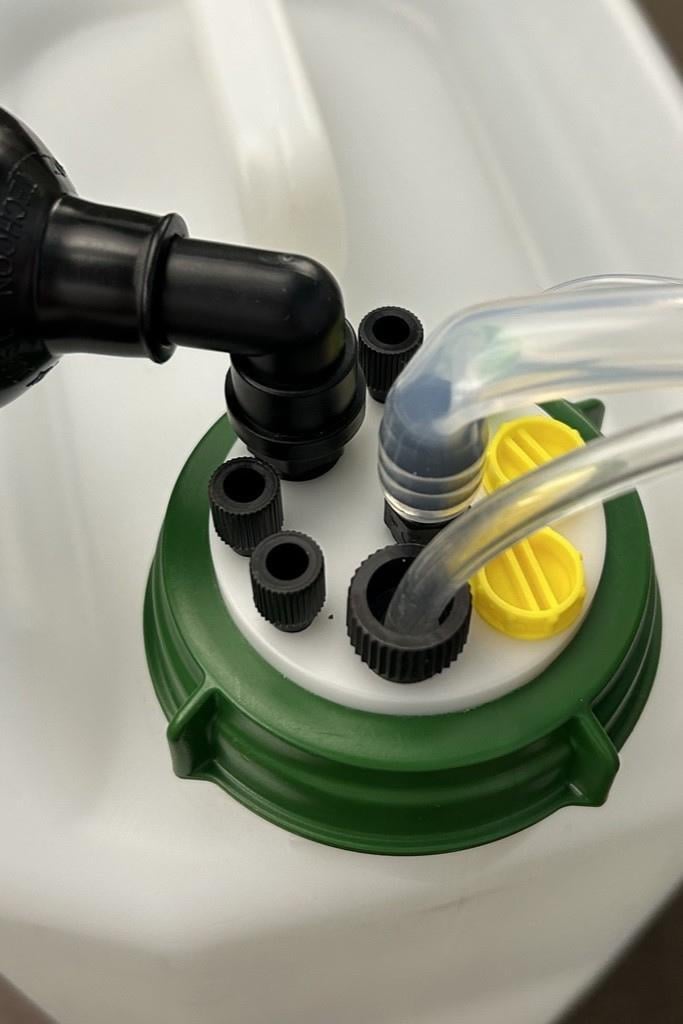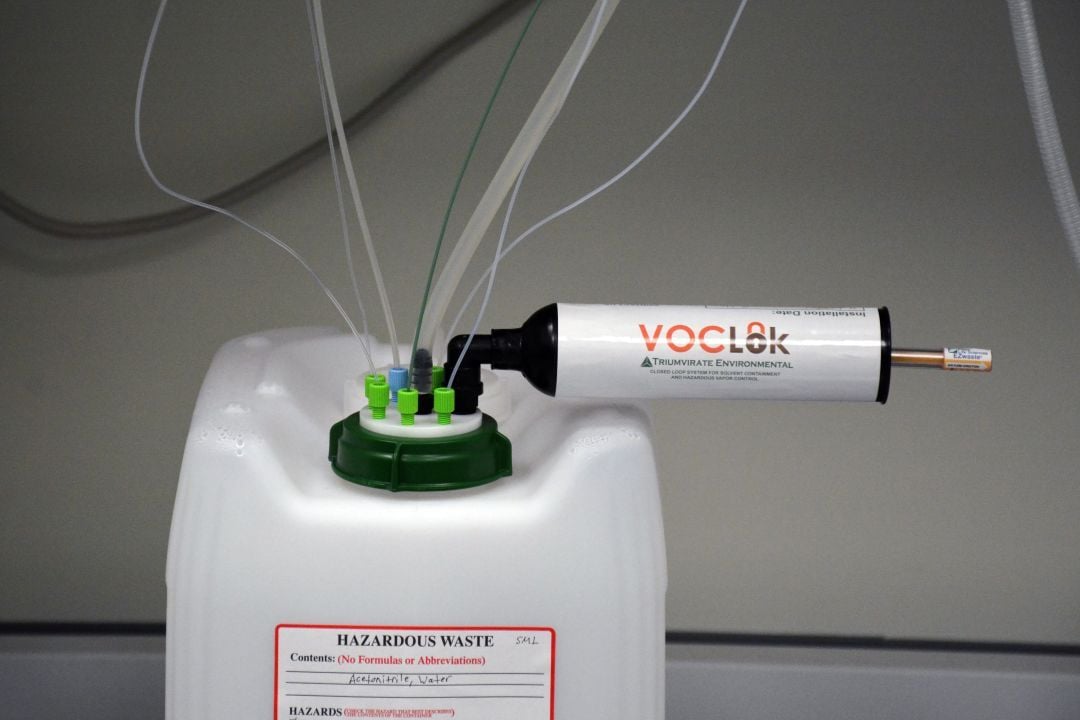
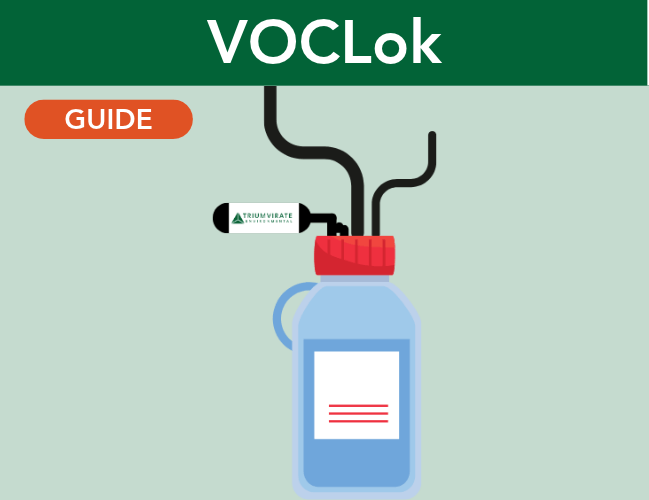
A Triumvirate Environmental VOCLok set up on a waste container.
Home > Commercial and Hazardous Waste Disposal > Solvent Waste Disposal

HPLC Solvent Waste Disposal Services

Solvent waste disposal made simple and safe. Our VOCLok HPLC waste collection system keeps your teams and operations moving.

Our VOCLok solvent waste management system is designed to effortlessly enable safety and compliance in labs of all sizes.


Exceeding Customers’ Expectations

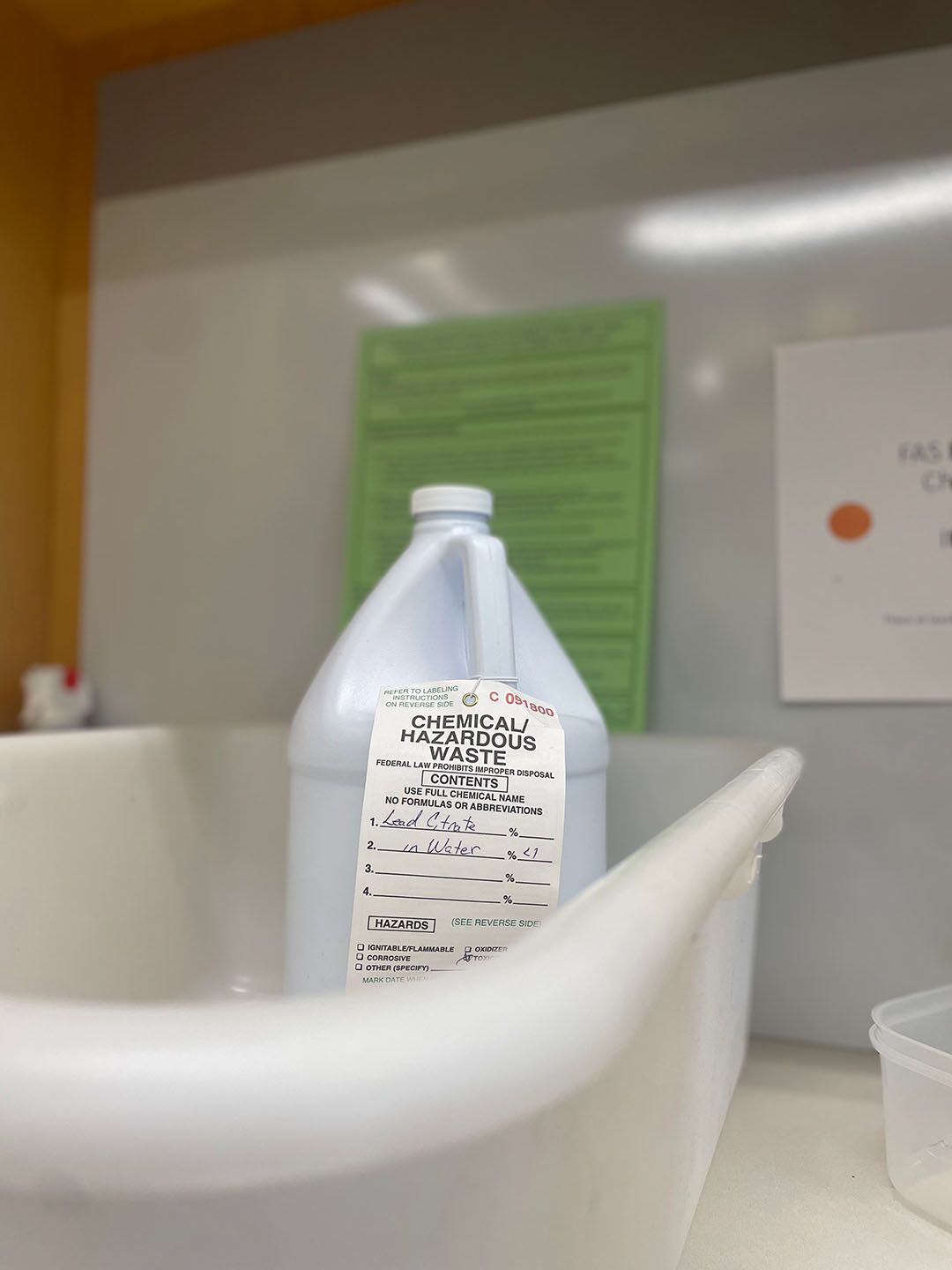
Hazardous chemical waste sits in a tub awaiting safe and sustainable solvent waste disposal.

VOCLok: Overcoming Solvent Waste Disposal Challenges

Traditional disposal of solvent waste from HPLC systems introduces increased risk during an already risky process:

  • Open containers, filled via funnels or various tubing, can:
    • Be more prone to spills if kicked or otherwise jostled, or during change-outs
    • Release harmful volatile organic compounds (VOCs) into the lab atmosphere
  • Loose tubing can come in various sizes, preventing a singular approach to closing bottles
  • Non-compliant with the RCRA Title 40 closed container requirement and other regulatory guidelines
  • Inefficient, varied, or small waste collection containers require more frequent consolidation and are thus less efficient
  • Funnel-fills leave funnels prone to deterioration

Your Partner in Solvent Waste Disposal

What makes Triumvirate Environmental’s VOCLok so much better? This HPLC waste collection system ensures:

  • Closed, compliant containers—without the spill risk
  • Carbon exhaust filter for VOC capture for safer, healthier labs
  • Versatile two-part cap for compatibility with various tubing widths
  • Compatibility with DOT-approved containers
  • Efficient consolidations and change-outs
  • Trusted, onsite support for implementation and training
A Triumvirate Environmental VOCLok caps a waste bottle to help with safe and compliant solvent waste disposal.

What to Expect Using VOCLok

From implementation to use, filter change-outs to training, Triumvirate Environmental’s onsite teams effortlessly support your waste collection activities. Our closed‑system approach to solvent waste disposal ensures full RCRA compliance, minimizes VOC exposure, and streamlines your lab’s waste collection workflow.

We assess your lab’s HPLC solvent waste generation and equipment setup to recommend the optimal VOCLok configuration. Our experts identify the right containers, caps, carbon filters, and connection hardware your team needs for safe and compliant collection.

  • Choose correct container size and style
  • Configure custom VOCLok caps
  • Ensure RCRA closed‑container compliance
  • Reduce waste volume and exposure risks

Our technicians install your VOCLok system for seamless integration with your HPLC or lab processes. We handle container setup, tubing connections and plugs, and carbon filter installation to ensure closed‑system compliance from day one. As an offering within our Onsite Support Services, a Triumvirate Environmental team member will help perform container change-outs and dispose of waste at its final destination.

We train your researchers and lab staff to safely and efficiently operate the VOCLok system, helping prevent exposure, spills, and RCRA violations. Training includes correct container changes, monitoring filter condition, and troubleshooting common issues.

  • Closed‑container best practices (RCRA compliant)
  • Safe container change and handling
  • Filter lifespan awareness
  • VOC and inhalation hazard prevention

Triumvirate provides ongoing maintenance and support to keep your system compliant and functioning at peak performance. We assist with component replacements, cap updates, routine filter replacements, and optimizing container usage to lower costs and improve safety.

  • Continuous system maintenance
  • Replacement of caps, filters, and containers
  • Improved waste management efficiency
  • Reduced risk of spills and vapors

Why Our Solvent Waste Disposal System Matters for Labs

Electricity alert icon

Safety for Core Teams

Our VOCLok solvent waste disposal technology protects your staff from harmful VOCs and from risk of chemical exposure caused by spill events.

Online checklist icon

RCRA and DOT compliance

Closed containers keep your lab compliant with many RCRA, DOT, and other waste collection and disposal regulations.

Growth chart icon

Efficient Solvent Waste Collection

Your team can focus on what they do best—allowing our system to work diligently in the background for them.

Recycling icon

Sustainable HPLC Waste Collection

With a reduced spill risk, there is less chance for chemical waste to be accidentally washed down a drain to end up in the environment.

Who We Work With

Beaker checkmark icon

Life Sciences

Pharmaceutical manufacturers and research labs.
Healthcare icon

Healthcare

Hospitals, clinics, and laboratories.
Graduation cap icon

Higher Education

Universities and academic research facilities.
Electric atom icon

Advanced Manufacturing

Chemical plants, semiconductors, automotive, aerospace, and electronics.

Other Industries

We also support sectors such as energy and utilities (power plants, oil and gas operations) and industrial and maintenance operations (facilities using solvents, paints, or hazardous chemicals), and more.

Need HPLC solvent waste collection and disposal support? VOCLok is the solution for you.


Frequently Asked Questions

How often will my VOCLok require maintenance?

Only when a filter needs to be changed or a waste change-out/consolidation needs to occur. This timing will vary based on the work being performed, but the average lifespan industry standard for many filters is 3-12 months.

Can I set up the VOCLok HPLC solvent waste system myself?

Why are VOCs so harmful?

Is chemical waste bad for the environment?

Featured Resources

Top 10 OSHA violations usual suspects in a line up.
Regulatory Compliance

Top 10 OSHA Violations: The Usual Suspects

Year after year, organizations across industries and throughout the nation fail to meet federal worker safety guidelines. And year after year, this ...
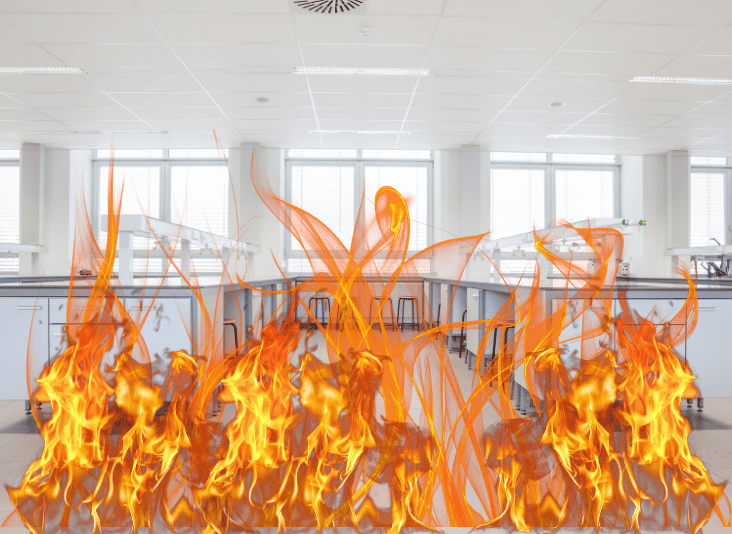
A fire burns uncontrolled in a laboratory environment. Fire prevention and suppression techniques are needed.
Safety

Lab Fire Safety: Connecting Fire Prevention and Suppression

The United States, on average, experiences about 5 chemical incidents per week. These incidents can lead to widespread fires, including a recent ...

Laboratory professional examines a biological sample while following biosafety procedures in a research laboratory.
Regulatory Compliance

Draft NIH Biosafety Policy for Research Involving Biohazards

The National Institutes of Health (NIH) is moving toward a broader, risk-based biosafety framework that could affect research governance, ...
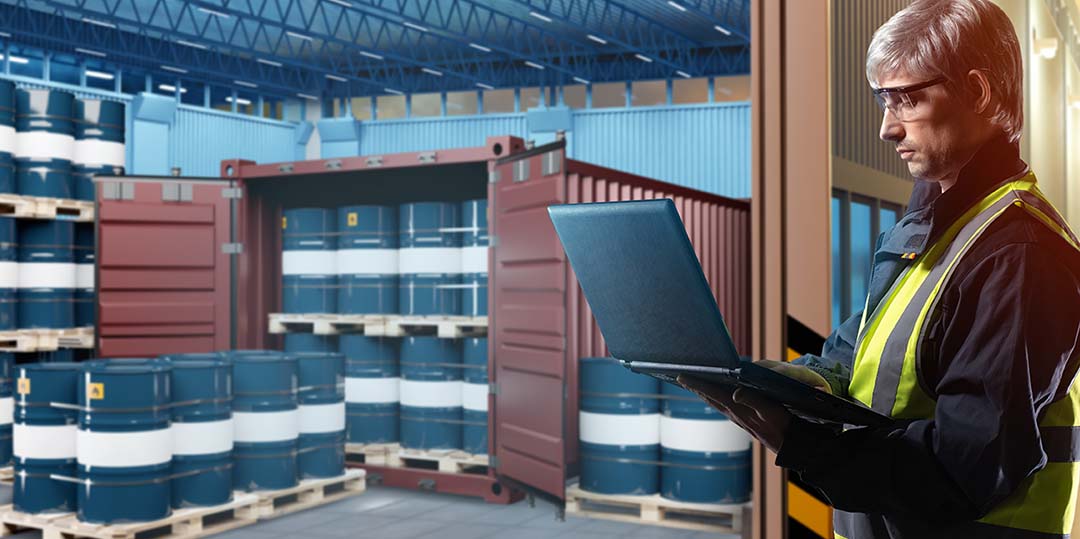
EHS employee documenting hazardous waste drums during facility inspection.
Hazardous Materials

Reduce Hazardous Waste Disposal Costs with TSDFs

Every year, organizations spend millions managing hazardous waste—but many are trying to optimize the wrong cost centers. While disposal fees receive ...
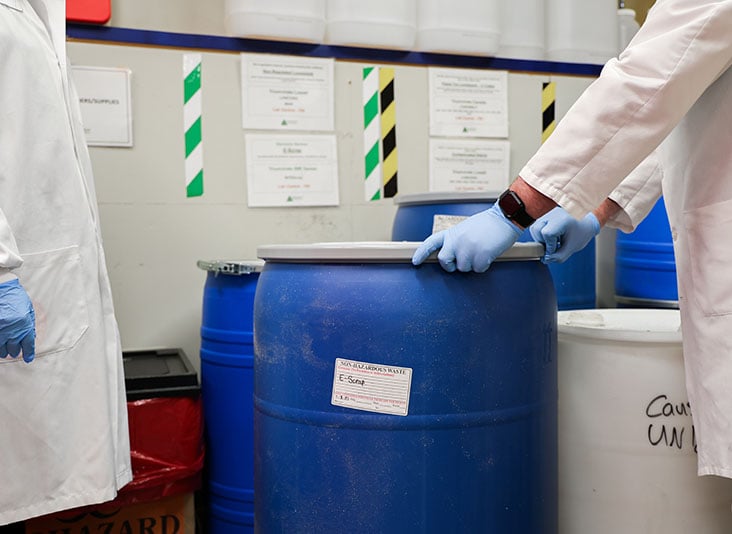
Labeling and classifying waste containers in a multi-site waste management program.
Hazardous Materials

Multi-Site Waste Management Strategies for Scalable Operations

Multi-site companies rarely design their waste programs from a blank page. More often, they inherit them through growth: A new facility opens. A lab ...

Industrial worker in a hard hat reviewing data on a laptop in a warehouse or manufacturing facility.
Waste Management

3PL Compliance Gap Analysis for Supply Chain Organizations

Warehouses and distribution centers today handle an ever-growing mix of products: regulated goods, defective goods, damaged materials, a nd more. A ...