
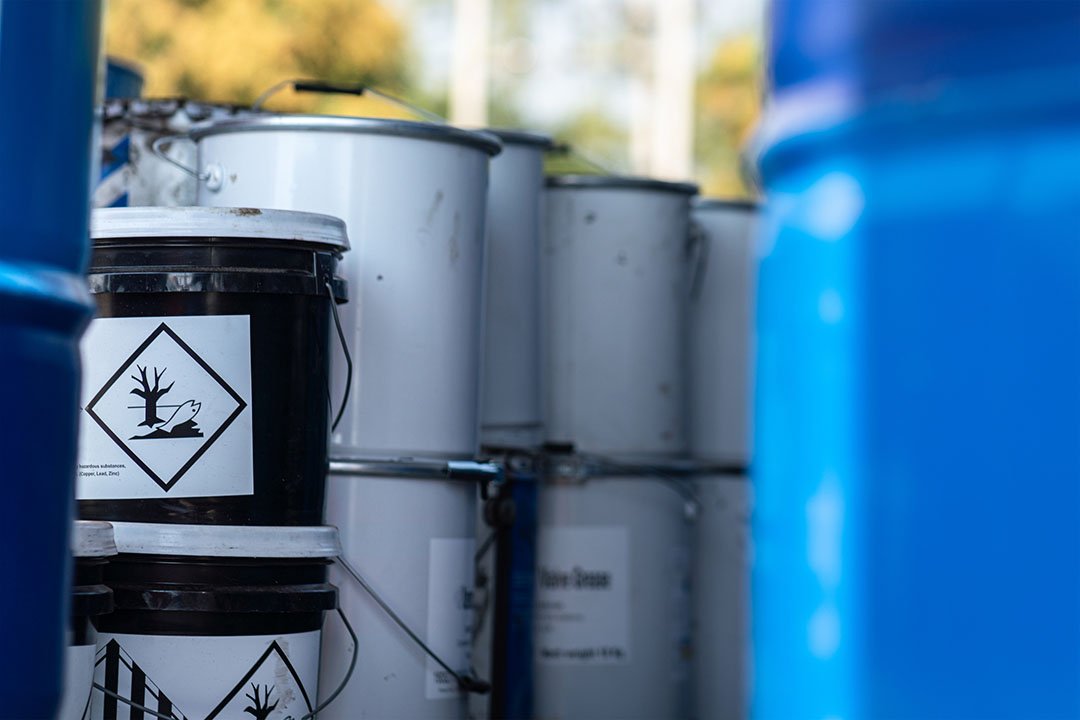
Chemical and solvent waste barrels sit awaiting solvent recycling services.
Home > Sustainability and Recycling > Solvent Recycling

Solvent Recycling

Solvent waste solutions that reduce cost and recover value.

Recover high-value solvents through advanced recycling and reuse pathways, reducing disposal costs and environmental impact. 


Exceeding Customers’ Expectations

It has truly been a pleasure working with such a dedicated and professional partner. From the outset, your team demonstrated a commitment to excellence. The transition was seamless, and your staff's responsiveness and attention to detail have consistently exceeded our expectations. Whether it's the punctuality of pickups, the cleanliness of equipment, or the courteous demeanor of your drivers, every aspect of your service reflects a high standard of professionalism. We at Sintavia have enjoyed the business of working with Triumvirate, and we look forward to our continued partnership.

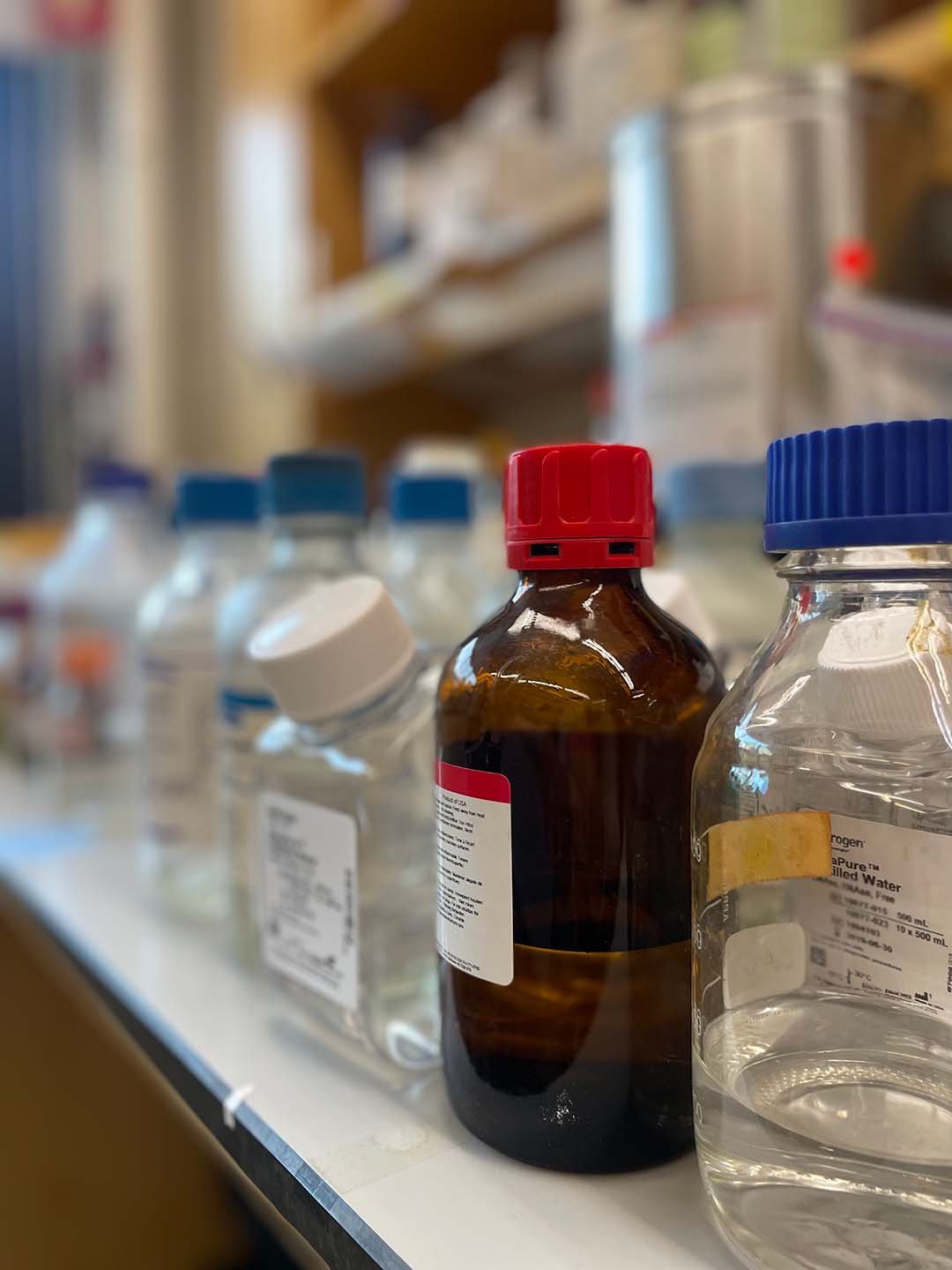
Chemicals and solvents line a lab shelf awaiting solvent recycling services.

Solvent Waste Challenges

Solvent waste is one of the most complex and costly waste streams to manage, requiring careful handling, strict regulatory oversight, and strategic decision-making. Our EHS consultants are deeply embedded at organizations that deal with solvent waste and regularly report seeing:

  • Disposal costs that increase as waste volumes grow
  • Destruction of usable material with traditional disposal methods (like incineration)
  • Missed opportunities for solvent recovery and reuse
  • Improper recycling and operational constraints
  • Mixed solvent streams that are difficult to separate or process
  • Lack of infrastructure for recycling

Your Partner in Solvent Waste Recycling

What makes our solvent waste solutions different from other chemical recycling companies? Triumvirate solves traditional solvent waste challenges by delivering integrated solvent recycling solutions that recover value, reduce disposal, and support a circular economy at scale. Our approach to solvent waste management and disposal ensures:

  • Maximum material recovery through solvent recovery and reclamation processes
  • Circular reuse pathways that extend the life of chemical materials
  • Innovative sustainability solutions and disposal alternatives to incineration and landfill
  • Regulatory compliance across all handling, transport, and processing
  • Operational continuity with reliable, scalable recycling programs
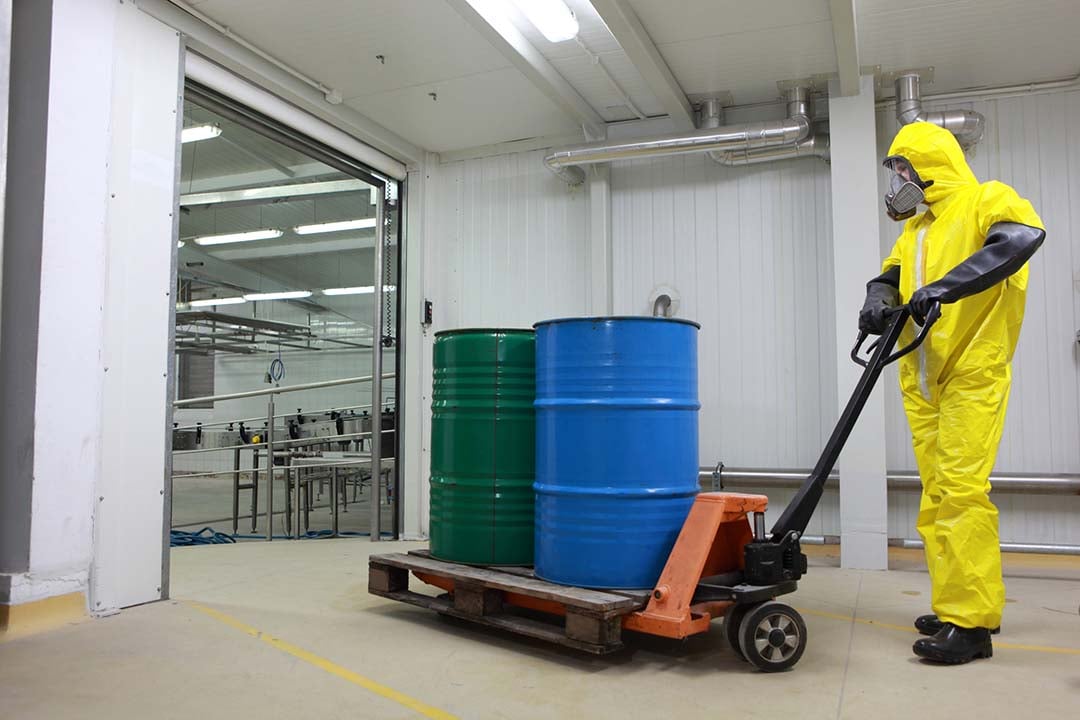
An onsite support technician performs solvent recycling by safely moving a drum in a facility.

Our Approach to Solvent Waste Management

Solvent recycling is not a one-size-fits-all process. It requires deep chemical expertise, expansive onsite and off-site infrastructure, and the ability to match each waste stream to the most sustainable and cost-effective outcome.

Triumvirate delivers industrial-scale solvent recycling solutions that combine recovery, reclamation, and fuel blending—ensuring every viable solvent is reused, repurposed, or converted into value.

We analyze your solvent waste streams to determine the highest-value recovery pathway.

  • Chemical composition and contamination profiling
  • Identification of recoverable solvents (e.g., acetone, acetonitrile)
  • Evaluation of recovery feasibility aligned with purity targets
  • Regulatory classification and handling requirements for hazardous waste recycling

We can recover and purify solvents for reuse, gleaning additional value from what would otherwise cost you money to dispose of.

  • Distillation, separation, and re-blending of solvent mixtures
  • High-purity recovery for reuse
  • Determination of chemical blends to support post-processing usage

Recovered solvents can often achieve near-virgin purity levels, supporting cost savings and operational circularity.

Fuel blending is an alternative option for chemical waste disposal in which solvent-based fuels are created with waste materials. Triumvirate Environmental offers this on its own or in tangent with solvent recycling for a holistic chemical recycling program.

  • Processing mixed or non-recoverable solvent waste
  • Creation of alternative fuel products for industrial use
  • Extension of material lifecycle through energy recovery
  • Reduced reliance on fossil fuels and raw resource extraction

We manage the full lifecycle of solvent waste handling with complete regulatory oversight.

  • Safe transportation and storage of hazardous materials
  • Documentation, hazardous waste manifests, and audit-ready records
  • Coordination with permitted recycling and processing facilities
  • Alignment with Environmental Protection Agency (EPA) standards

We turn your solvent recycling program into measurable business and environmental outcomes.

Why Solvent Recycling Matters

Liquid circularity icon

Circular Economy Impact

Extend the life of chemical materials through reuse and energy recovery.


Money increasing graph icon

Cost Efficiency

Re-capture value from waste streams that would otherwise be discarded.

Plants in dirt icon

Environmental Responsibility

Reduce emissions, conserve natural resources, and protect ecosystems from improperly disposed of chemicals.

Check list icon

Regulatory Compliance

Meet federal and state requirements.

Electricity hero icon

Energy Recovery Potential

Convert solvent waste into usable materials for industrial processes.

Who We Work With

Beaker checkmark icon

Life Sciences

Pharmaceutical manufacturers and research labs.
Healthcare icon

Healthcare

Hospitals, clinics, and laboratories.
Graduation cap icon

Higher Education

Universities and academic research facilities.
Electric atom icon

Advanced Manufacturing

Chemical plants, semiconductors, automotive, aerospace, and electronics.

Other Industries

We also support sectors such as energy and utilities (power plants, oil and gas operations) and industrial and maintenance operations (facilities using solvents, paints, or hazardous chemicals), and more.

Ready to recover value from your solvent waste?


Frequently Asked Questions

What is solvent recycling?

Solvent recycling is the process of recovering, purifying, or repurposing used solvents so they can be reused or converted into valuable products like alternative fuels. This reduces both disposal needs and raw material consumption.

What’s the difference between solvent recovery and fuel blending?

Can all solvent waste be recycled?

Is solvent recycling cost-effective?

How does solvent recycling support sustainability goals?

Featured Resources

Top 10 OSHA violations usual suspects in a line up.
Regulatory Compliance

Top 10 OSHA Violations: The Usual Suspects

Year after year, organizations across industries and throughout the nation fail to meet federal worker safety guidelines. And year after year, this ...
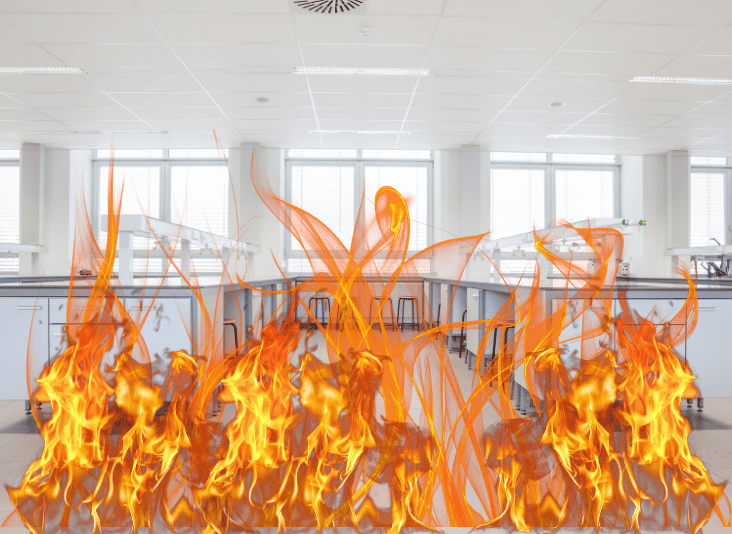
A fire burns uncontrolled in a laboratory environment. Fire prevention and suppression techniques are needed.
Safety

Lab Fire Safety: Connecting Fire Prevention and Suppression

The United States, on average, experiences about 5 chemical incidents per week. These incidents can lead to widespread fires, including a recent ...

Laboratory professional examines a biological sample while following biosafety procedures in a research laboratory.
Regulatory Compliance

Draft NIH Biosafety Policy for Research Involving Biohazards

The National Institutes of Health (NIH) is moving toward a broader, risk-based biosafety framework that could affect research governance, ...
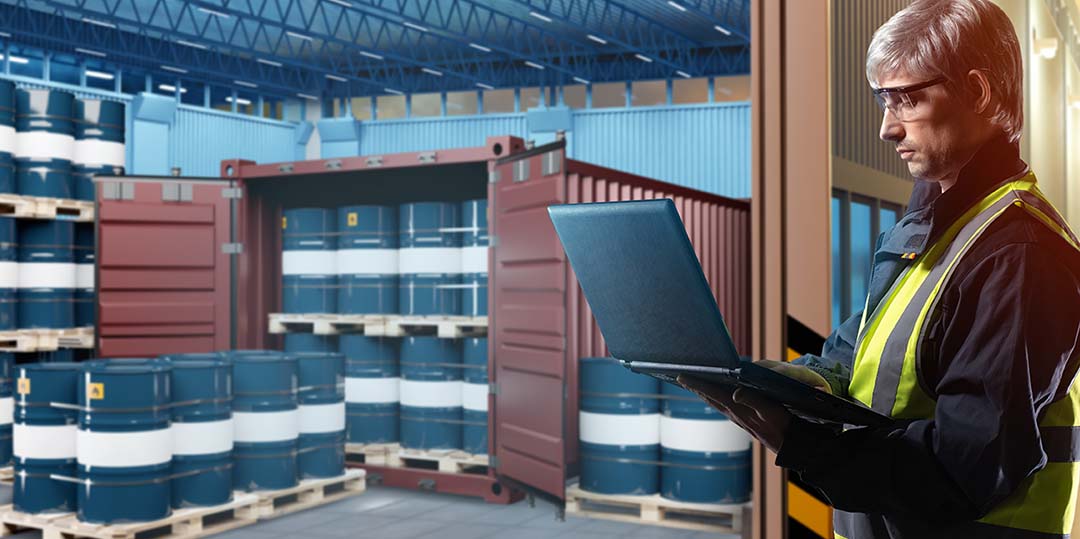
EHS employee documenting hazardous waste drums during facility inspection.
Hazardous Materials

Reduce Hazardous Waste Disposal Costs with TSDFs

Every year, organizations spend millions managing hazardous waste—but many are trying to optimize the wrong cost centers. While disposal fees receive ...
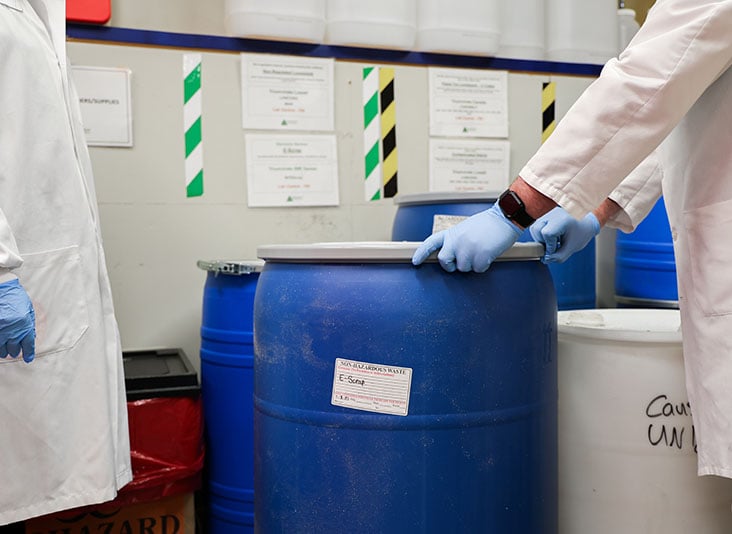
Labeling and classifying waste containers in a multi-site waste management program.
Hazardous Materials

Multi-Site Waste Management Strategies for Scalable Operations

Multi-site companies rarely design their waste programs from a blank page. More often, they inherit them through growth: A new facility opens. A lab ...

Industrial worker in a hard hat reviewing data on a laptop in a warehouse or manufacturing facility.
Waste Management

3PL Compliance Gap Analysis for Supply Chain Organizations

Warehouses and distribution centers today handle an ever-growing mix of products: regulated goods, defective goods, damaged materials, a nd more. A ...