
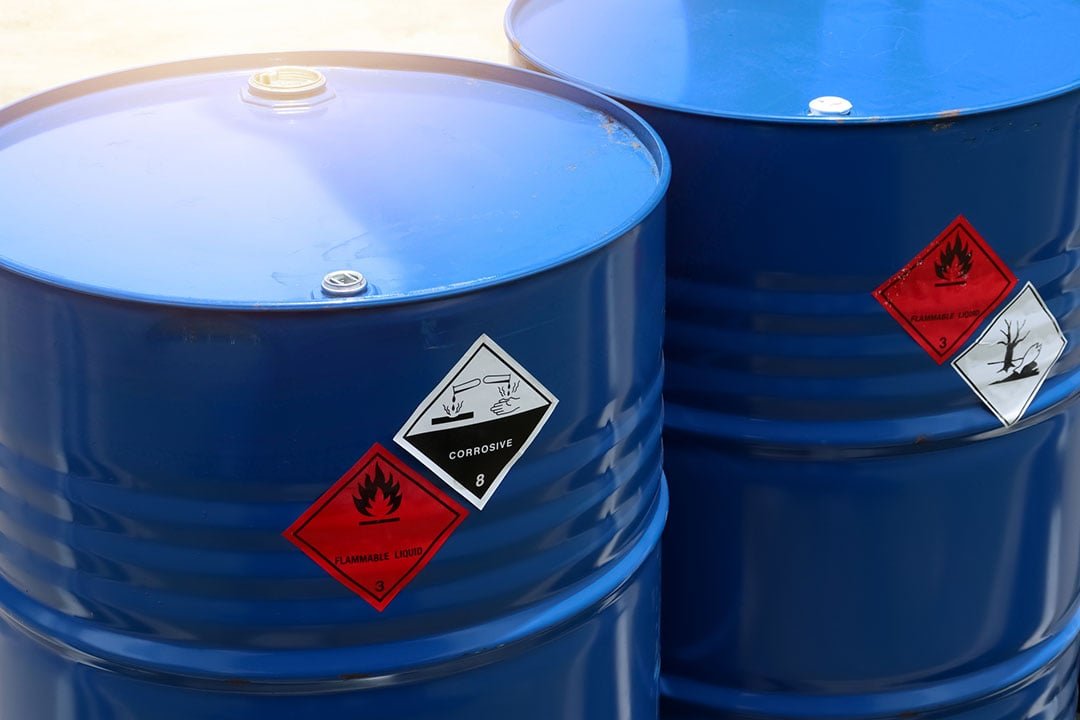
Chemical waste drums with relevant hazard communication await fuel blending recovery and disposal.

Fuel Blending

Fuel blending services that turn waste into value and help you avoid the landfill.

Safely recycle spent solvents and fuels into usable energy, reducing cost, risk, and environmental impact. 


Exceeding Customers' Expectations

As a laboratory, we often create unique chemical mixtures in our waste streams and bring in new varieties of chemicals too. It’s constantly changing. Historically, it has been challenging for us to manage our chemical inventory and waste disposal because it isn’t our area of expertise. Since Joe and Triumvirate have been helping, we’ve been able to dial in mature processes for how we manage our hazardous materials. Joe has enabled our team to focus attention on what helps our business succeed while simultaneously improving on our EH&S practices. As manager of our laboratory and team, I am incredibly thankful that I can rest assured in Joe’s competence and reliability.

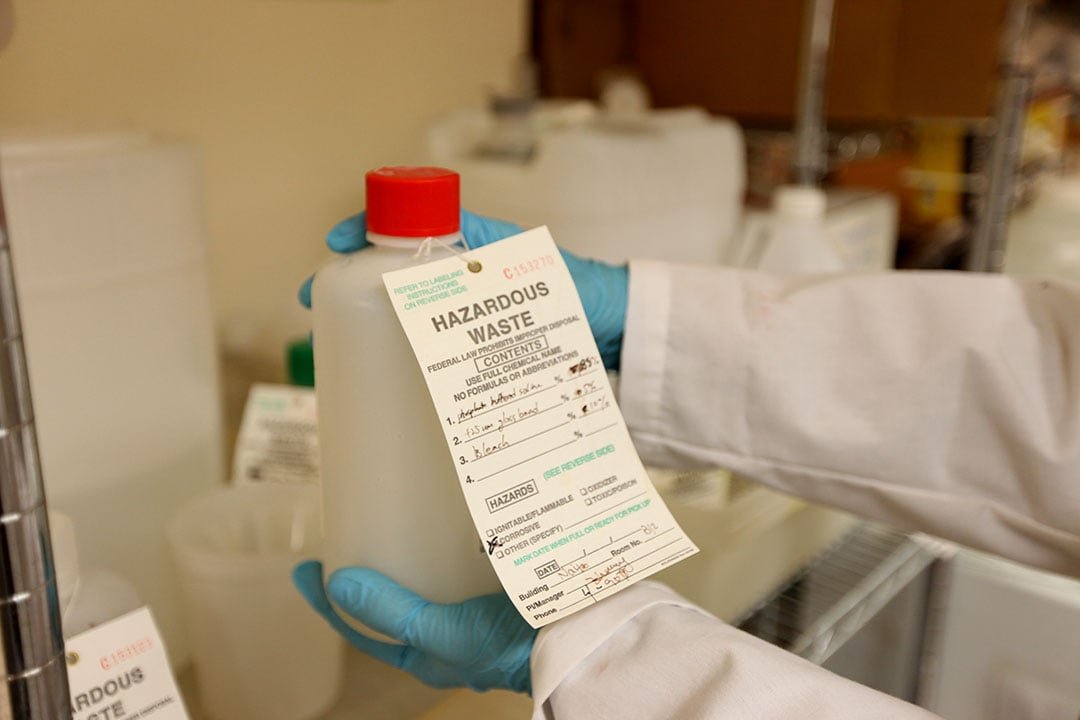
A Triumvirate environmental specialist prepares a chemical bottle for fuel blending disposal.

Spent Solvents Bring Waste Disposal Challenges

Chemicals and fuels are common worksite hazards that need to be properly stored, managed, handled, and disposed of. This can be complex, however, as the nature of these materials means immense risk to your teams. We often see organizations struggle with:

  • Finding safe hazardous waste disposal options
  • Managing waste consolidation in a way that supports chemical waste disposal
  • Recovering value from spent fuels and solvents
  • Reducing environmental impact, especially when it comes to highly hazardous substances
  • Consolidating chemical waste for efficient disposal

More Than Fuel Blending: A Fully Integrated Waste Solution

What makes fuel blending services from Triumvirate Environmental so much better? Unlike other fuel blending companies, we partner with you to provide:

  • Access to cutting-edge waste disposal technologies
  • A holistic approach to waste management—not just for your solvents, but for all your wastes
  • A proven track record of efficient, safe, and sustainable waste disposal
  • Full account governance for your wastes and EHS programs, not just account management
  • Onsite environmental services teams to help with upstream waste handling and consolidation
  • Full compliance with EPA RCRA and other waste disposal regulations
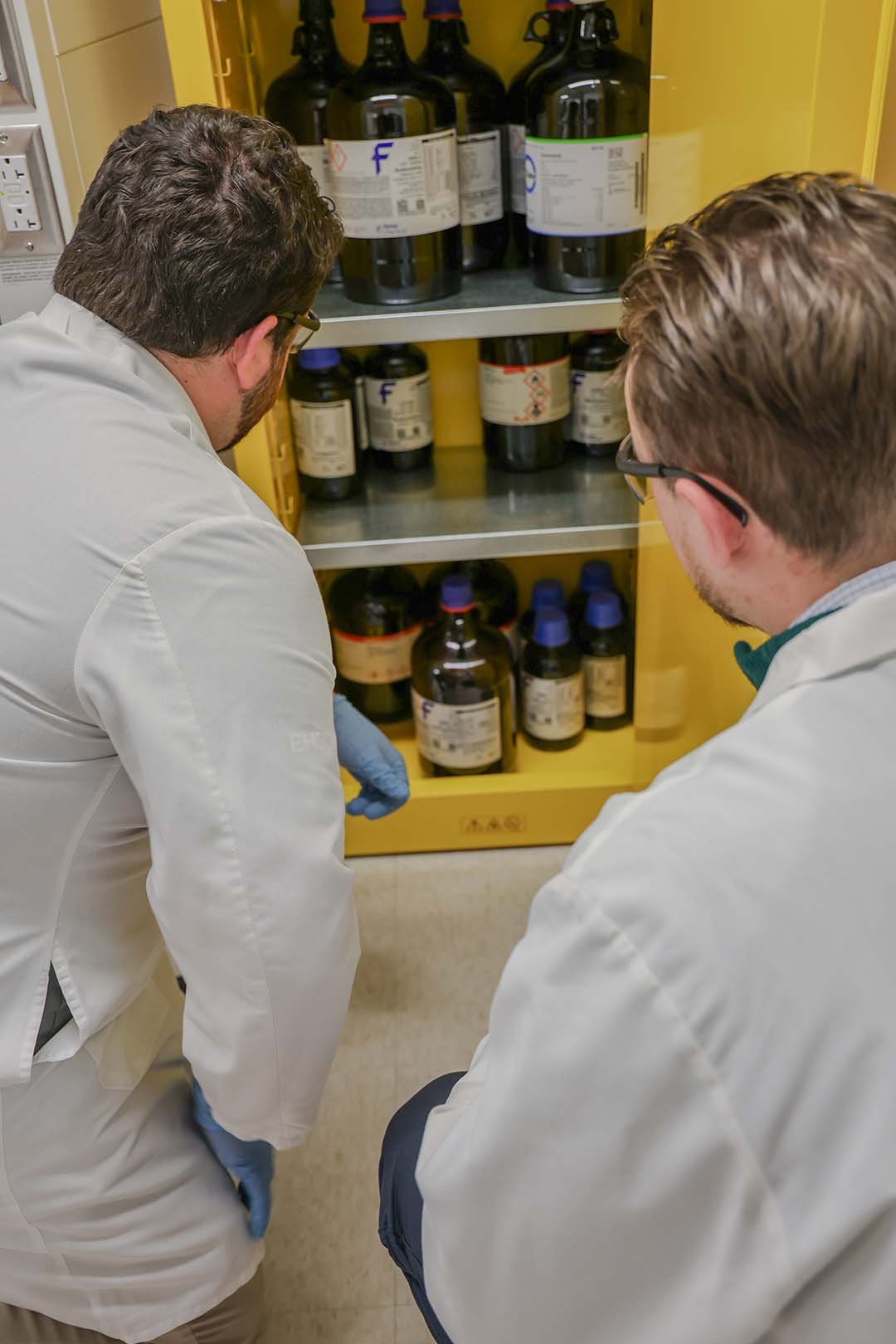
Two Triumvirate Environmental onsite support teams look into a chemical cabinet to prepare for fuel blending.

What to Expect for Fuel Blending

Fuel blending with Triumvirate Environmental doesn’t just start when waste is shipped away—or end when waste arrives at the end disposal facility. Our full account governance model provides end-to-end hazardous waste disposal solutions.

Our onsite environmental services teams can help perform lab packs or otherwise consolidate and store waste for compliance, safety, and disposability. We can even implement chemical inventory management software to streamline the process further.

Our EHS consultants will work with your team to develop a chemical waste disposal plan based on your needs, wants, and chemical composition. This will include frequency of waste pickups and, on our end, fuel blending formulations and end usage.

Our teams pack your chemical and fuel wastes and transport them to our fuel blending facility where we handle the rest, including all relevant documentation.

Your spent fuels and solvents get a new life as fuel in industrial processes, like cement kilns. You get all relevant documentation, reporting support, ongoing chemical waste disposal, and any other onsite support you need.

Why Fuel Blending Matters for Big Industry

Money increasing graph icon

Value Recovery

Reclaim the value of your spent solvents and fuels by creating a useable product.

Recycling icon

Increase Circularity

Enhance sustainability by creating circular disposal pathways.

Shield checkmark icon

Protect Teams

Fuel blending hazardous wastes is a safe and effective way to dispose of these materials.

Group conversation icon

Become Holistic

Let us manage your full waste programs to maximize success.

Check list icon

Ensure Compliance

Our fuel blending capabilities and onsite teams ensure your waste programs are 100% compliant.

Who We Work With

Beaker checkmark icon

Life Sciences

Pharmaceutical manufacturers and research labs.
Healthcare icon

Healthcare

Hospitals, clinics, and laboratories.
Graduation cap icon

Higher Education

Universities and academic research facilities.
Electric atom icon

Advanced Manufacturing

Chemical plants, semiconductors, automotive, aerospace, and electronics.

Three person meeting icon

Developers

Large-scale commercial and industrial development projects. 
Hands together icon

Construction Managers & General Contractors

Foundation and excavation teams managing site timelines. 
Electricity hero icon

Environmental Engineers

Firms overseeing contaminated site remediation.

Electric atom icon

Utility and Energy Companies

Infrastructure and pipeline projects requiring soil management. 
Truck icon

Industrial & Remediation Firms

Organizations handling complex contaminated sites. 
Let’s turn your spent solvents into a usable energy source. Reach out to our experts today.


Frequently Asked Questions

What is fuel blending?

Fuel blending is the recycling of solvent wastes by combining two or more fuels (that would otherwise be considered waste) into a new substance that can be used as fuel in other industrial processes, like cement kilns.

What is the end result of fuel blending?

What are the benefits of fuel blending?

What is the process for fuel blending?

Featured Resources

Top 10 OSHA violations usual suspects in a line up.
Regulatory Compliance

Top 10 OSHA Violations: The Usual Suspects

Year after year, organizations across industries and throughout the nation fail to meet federal worker safety guidelines. And year after year, this ...
A fire burns uncontrolled in a laboratory environment. Fire prevention and suppression techniques are needed.
Safety

Lab Fire Safety: Connecting Fire Prevention and Suppression

The United States, on average, experiences about 5 chemical incidents per week. These incidents can lead to widespread fires, including a recent ...

Laboratory professional examines a biological sample while following biosafety procedures in a research laboratory.
Regulatory Compliance

Draft NIH Biosafety Policy for Research Involving Biohazards

The National Institutes of Health (NIH) is moving toward a broader, risk-based biosafety framework that could affect research governance, ...
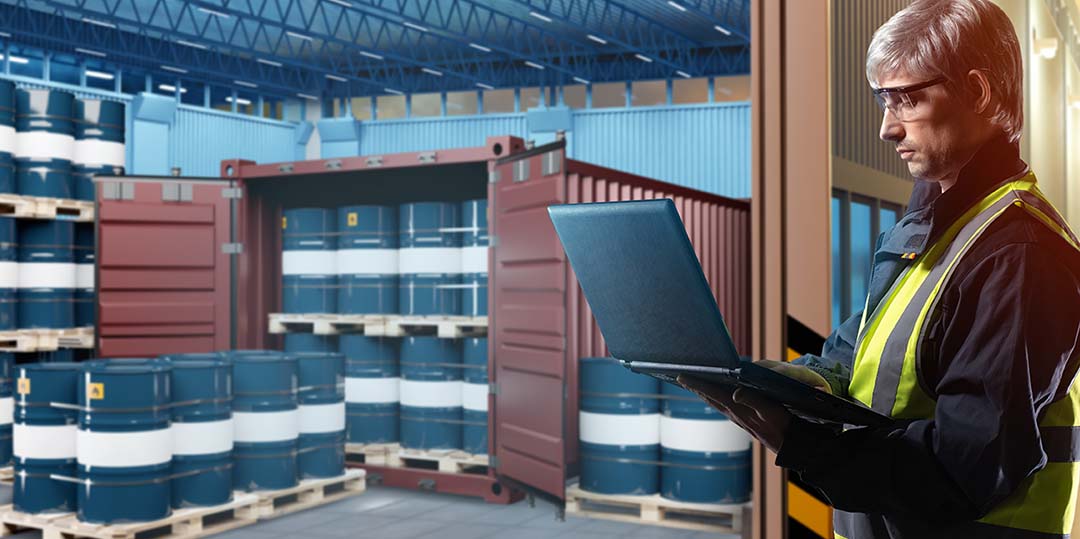
EHS employee documenting hazardous waste drums during facility inspection.
Hazardous Materials

Reduce Hazardous Waste Disposal Costs with TSDFs

Every year, organizations spend millions managing hazardous waste—but many are trying to optimize the wrong cost centers. While disposal fees receive ...
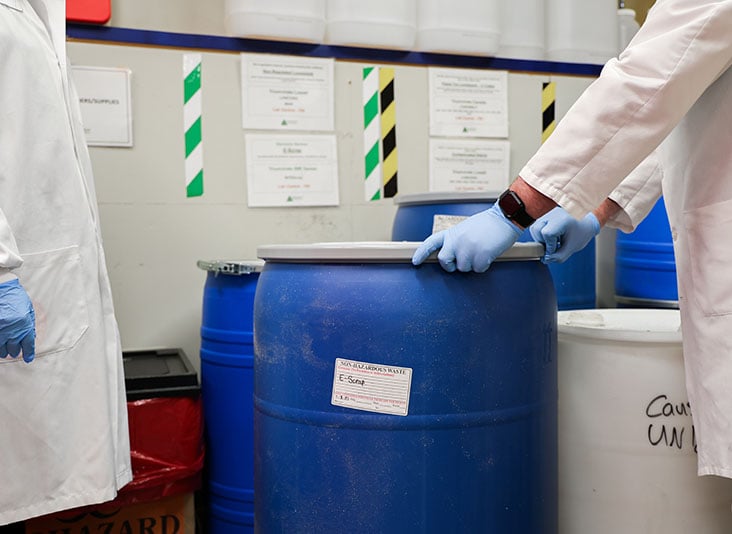
Labeling and classifying waste containers in a multi-site waste management program.
Hazardous Materials

Multi-Site Waste Management Strategies for Scalable Operations

Multi-site companies rarely design their waste programs from a blank page. More often, they inherit them through growth: A new facility opens. A lab ...

Industrial worker in a hard hat reviewing data on a laptop in a warehouse or manufacturing facility.
Waste Management

3PL Compliance Gap Analysis for Supply Chain Organizations

Warehouses and distribution centers today handle an ever-growing mix of products: regulated goods, defective goods, damaged materials, a nd more. A ...