


A truck drives along a country road; safe disposal is possible with DOT regulated medical waste training.
Home > EHS Consulting > DOT Regulated Medical Waste Training

DOT Regulated Medical Waste Training

For HAZMAT employees who require DOT training for regulated medical waste handling and shipping.

Meet DOT shipping requirements with practical training for employees handling regulated medical waste. 


Exceeding Customers’ Expectations

Not only was the instructor very knowledgeable of the regulations, but throughout the training he injected real-world examples which greatly enhanced the learning experience. Doug did a great job covering a complex topic and keeping attendees engaged.

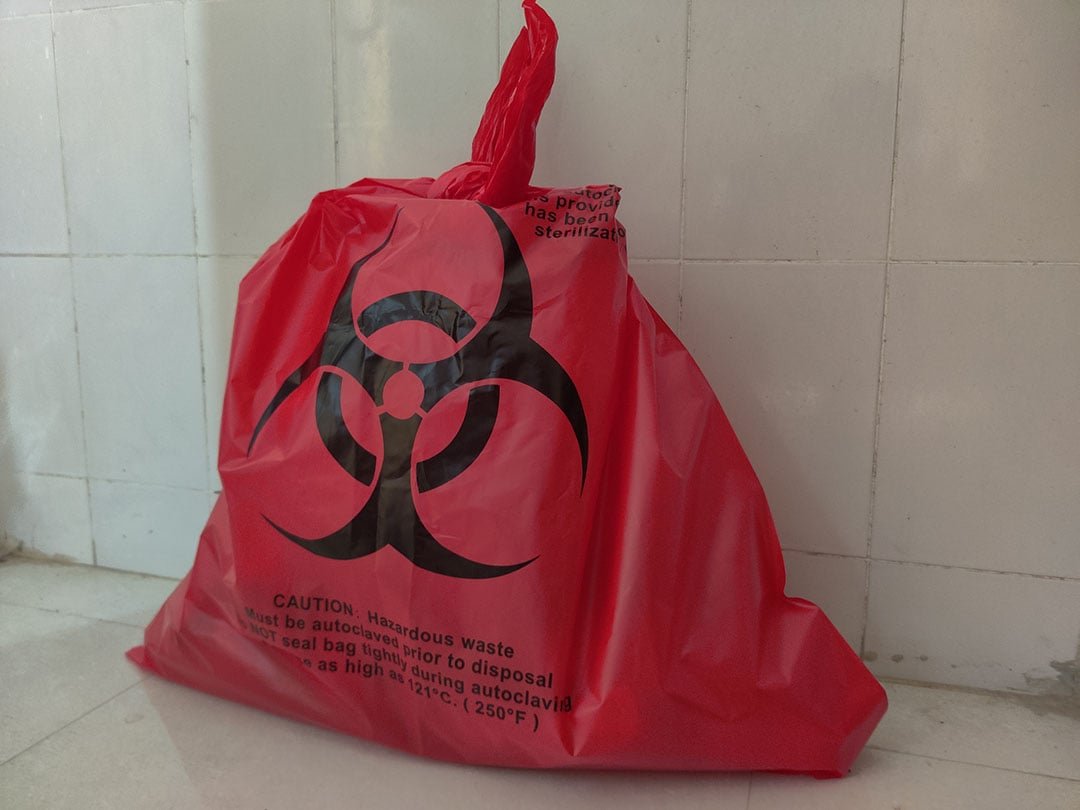
A full red biohazard bag awaits safe disposal informed by DOT regulated medical waste training .

Shipping Risks Solved with Regulated Medical Waste Training

Preparing regulated medical waste for transport involves more than sealing a box. Employees responsible for packaging, marking, and/or shipping documents may qualify as HAZMAT employees and need proper training.

Without the right training, organizations may face:

  • Incorrect packaging or container closures
  • Missing labels or required markings
  • Errors on hazardous waste manifests or shipping papers
  • Delays during pickup or transport
  • Increased enforcement and compliance risk

Triumvirate Environmental helps teams understand what is required and how to prepare shipments correctly.

Your Partner in Regulated Medical Waste Training and Certification

What makes Triumvirate Environmental’s medical waste management course different from other providers? Our Department of Transportation (DOT) regulated medical waste training program:

  • Is built around real shipping tasks employees perform
  • Covers DOT requirements and practical application
  • Provides clear guidance on packaging, labeling, and paperwork
  • Delivers relevant perspective on state medical waste programs
  • Is backed by trusted EHS expertise across regulated industries
  • Offers flexible online training designed for busy teams and onsite, customized training that sticks
A trainee studies DOT regulated medical waste training topics for safety and compliance.

What to Expect

Employees who prepare regulated medical waste shipments for transport are considered “HAZMAT employees” and must complete DOT hazardous materials training within 90 days of starting the job function and at least every three years after that. This requirement includes both general awareness HAZMAT training and function-specific training in preparing shipments.

DOT regulated medical waste training walks attendees through the steps necessary to properly prepare regulated medical waste, including sharps, pathological waste, and medical treatment/research wastes for shipment.

If you’re involved in preparing waste for pickup or transport, you likely require specialized DOT training. This may include if you’re involved in:

  • Final packaging before transporter pickup
  • Sealing boxes, bins, and sharps containers
  • Verifying markings and labels
  • Completing or signing manifests
  • Reviewing shipping papers

Our regulated medical waste training helps you build the knowledge needed to prepare shipments correctly.

  • Identifying regulated medical waste
  • Category A vs. Category B materials
  • Shipping descriptions and classifications
  • Packaging requirements
  • Labeling and marking standards
  • Administrative responsibilities, records, and paperwork

The course is presented either as a 60-minute, online on-demand video or as a customized onsite training made specifically for your operations. Our online course offers:

  • Self-paced learning
  • Scalability for single sites or distributed teams
  • Designed for convenient retraining every three years

Our onsite training offers:

  • Customized training with real-world, operations-specific examples
  • Improved learner retention
  • Facility-specific information
  • Scalability for site-wide training or single teams, based on roles, responsibilities, and exposure possibilities

Why DOT Regulated Medical Waste Training Matters

Liquids truck icon

Safer Shipments

Reduce packaging and transport mistakes before waste leaves your site

Online checklist icon

Strengthen Compliance

Support training and documentation for both federal and state requirements

Shield icon

Avoid Operational Disruption

Standardize training to avoid rejected pickups and shipping errors that disrupt operations

Human checklist icon

Build Compliance Culture

Align employees with DOT expectations and operational best practices

Who We Work With

Beaker checkmark icon

Life Sciences

Pharmaceutical manufacturers and research labs.
Healthcare icon

Healthcare

Hospitals, clinics, and laboratories.
Graduation cap icon

Higher Education

Universities and academic research facilities.
Electric atom icon

Advanced Manufacturing

Chemical plants, semiconductors, automotive, aerospace, and electronics.

Other Industries

We also support sectors such as energy and utilities (power plants, oil and gas operations) and industrial and maintenance operations (facilities using solvents, paints, or hazardous chemicals), and more.

Looking to certify your team for DOT regulated medical waste shipping? Turn to our training.


Frequently Asked Questions

How often is medical waste training certification required?

Employees considered HAZMAT employees under DOT requirements generally need recurrent hazardous materials training every three years, along with role-specific instruction for their job duties. New HAZMAT employees must be trained within 90 days of starting the job function, and retraining is needed when duties or regulations change.

Is DOT training for regulated medical waste only for hospitals?

Featured Resources

Top 10 OSHA violations usual suspects in a line up.
Regulatory Compliance

Top 10 OSHA Violations: The Usual Suspects

Year after year, organizations across industries and throughout the nation fail to meet federal worker safety guidelines. And year after year, this ...

A fire burns uncontrolled in a laboratory environment. Fire prevention and suppression techniques are needed.
Safety

Lab Fire Safety: Connecting Fire Prevention and Suppression

The United States, on average, experiences about 5 chemical incidents per week. These incidents can lead to widespread fires, including a recent ...

Laboratory professional examines a biological sample while following biosafety procedures in a research laboratory.
Regulatory Compliance

Draft NIH Biosafety Policy for Research Involving Biohazards

The National Institutes of Health (NIH) is moving toward a broader, risk-based biosafety framework that could affect research governance, ...

EHS employee documenting hazardous waste drums during facility inspection.
Hazardous Materials

Reduce Hazardous Waste Disposal Costs with TSDFs

Every year, organizations spend millions managing hazardous waste—but many are trying to optimize the wrong cost centers. While disposal fees receive ...
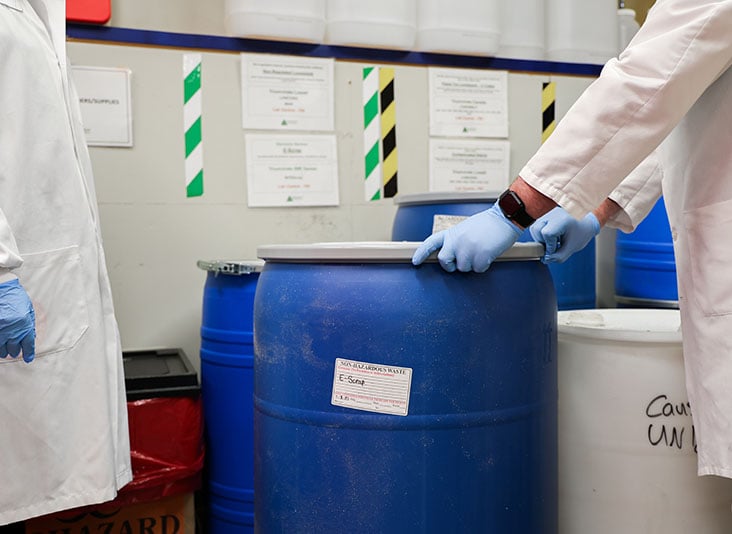
Labeling and classifying waste containers in a multi-site waste management program.
Hazardous Materials

Multi-Site Waste Management Strategies for Scalable Operations

Multi-site companies rarely design their waste programs from a blank page. More often, they inherit them through growth: A new facility opens. A lab ...

Industrial worker in a hard hat reviewing data on a laptop in a warehouse or manufacturing facility.
Waste Management

3PL Compliance Gap Analysis for Supply Chain Organizations

Warehouses and distribution centers today handle an ever-growing mix of products: regulated goods, defective goods, damaged materials, a nd more. A ...