
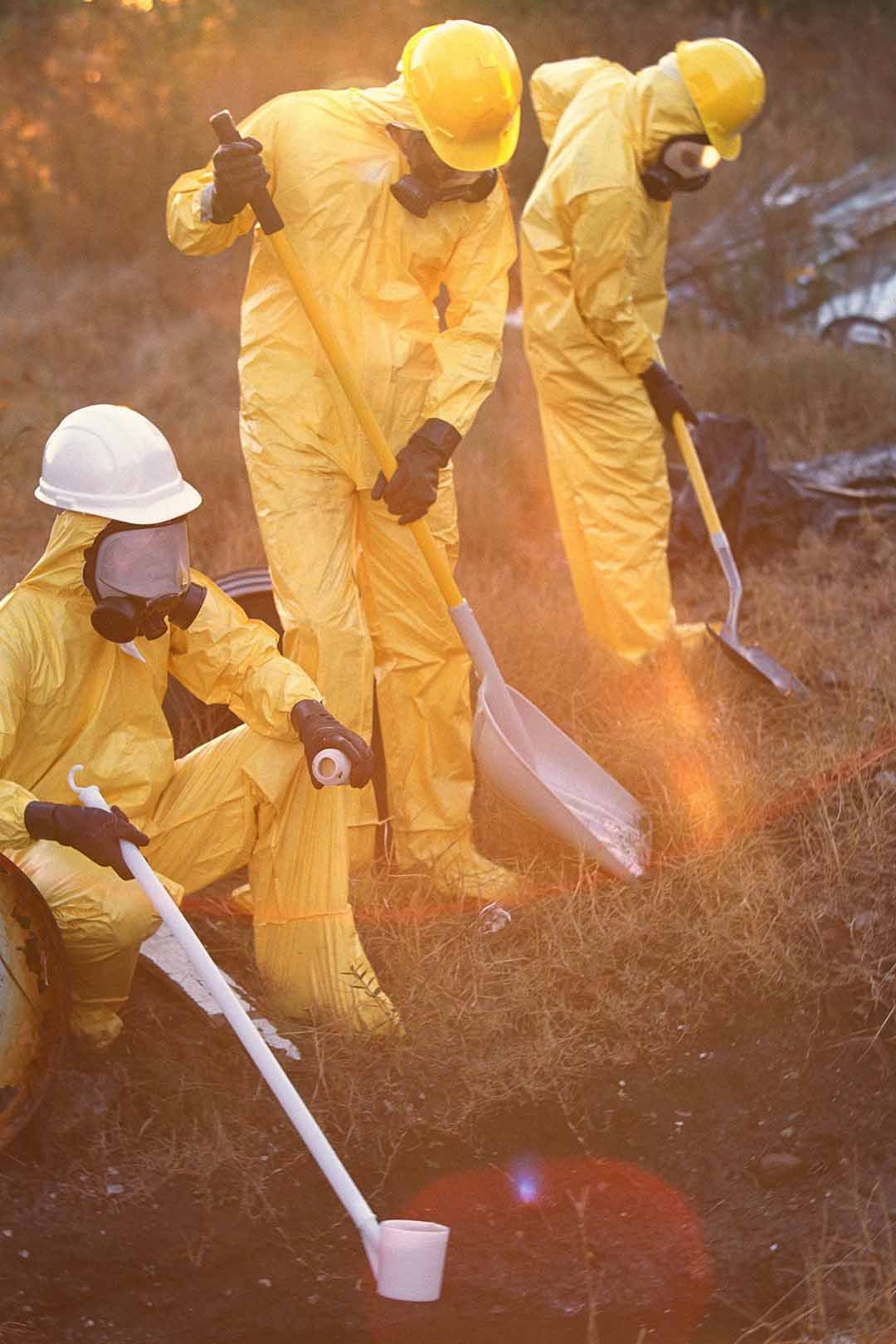


A group of emergency response personnel dig in a field to support environmental services and safe response.
Home > Laboratory and Field Services > Emergency Response Services

Emergency Response Services

Emergency response services for critical incidents where you need to contain risk, restore control, and protect the continuity of your operations.

24/7 environmental emergency response services that contain hazards, protect people, and maintain compliance. 


Exceeding Customers’ Expectations

We were notified that a pole with a 3 pot bank (three 167 KVA conventional transformers) was hit by a car. All three transformers were in the middle of the road, and all three lost most of their oil. A utility representative and the Austin Triumvirate crew responded. Once onsite, it was clear that more manpower was needed. A large area of asphalt and concrete was impacted by approximately 120 gallons of oil. Gabe, Zach, Kenneth, and Justin responded to the site of the spill from New Braunfels within the hour and came with all necessary tools and supplies requested by us. The environmental aspect of this chaotic situation was quickly controlled and secured once they arrived and got to work. When extra equipment was needed to complete the job, Gabe was able to get it in a timely manner. All workers had to deal with traffic and large equipment in motion from multiple areas. Both the Austin Triumvirate team and the Triumvirate crew that responded from New Braunfels deserve kudos for a job well done. THANKS!!!

A construction team works confidently, backed by emergency response services from Triumvirate Environmental.

Situations Quickly Escalate to Emergencies

Environmental emergencies don’t wait for business hours. A chemical spill, system failure, or unknown release can quickly become a safety risk, compliance issue, and operational shutdown—no matter what time of day or night. Not only that, but emergency cleanups are strictly regulated by federal and state agencies like OSHA and the EPA. Ineffective emergency response is not only a safety issue, but a regulatory one as well.

Even well-run facilities experience emergencies. The difference is how quickly and effectively they respond. We’ve seen it all.

  • Delays in response leading to expanded damage or exposure
  • Uncertainty around how to contain hazardous materials safely
  • Lack of trained personnel to manage high-risk incidents
  • Regulatory pressure to report, document, and remediate quickly
  • Coordination gaps between internal teams and external responders
  • Escalating costs tied to uncontrolled releases or delayed cleanup

Your Partner in Emergency Response

What makes Triumvirate different from other emergency response companies? We focus on controlled, compliant response—and speedy arrival.

  • 24/7/365 emergency environmental services with trained response teams
  • Deep experience with chemical spills, oil releases, and lab incidents
  • Proper PPE, containment tools, and fenceline monitoring equipment
  • Structured documentation for regulatory agencies and insurance
  • Established network of specialized vendors for complex scenarios
  • Integrated response, from containment through disposal and reporting

We prioritize doing it right the first time, because in emergency response, mistakes add up fast. Because our services extend beyond response, we can also support post-incident compliance, waste management, and ongoing environmental operations.

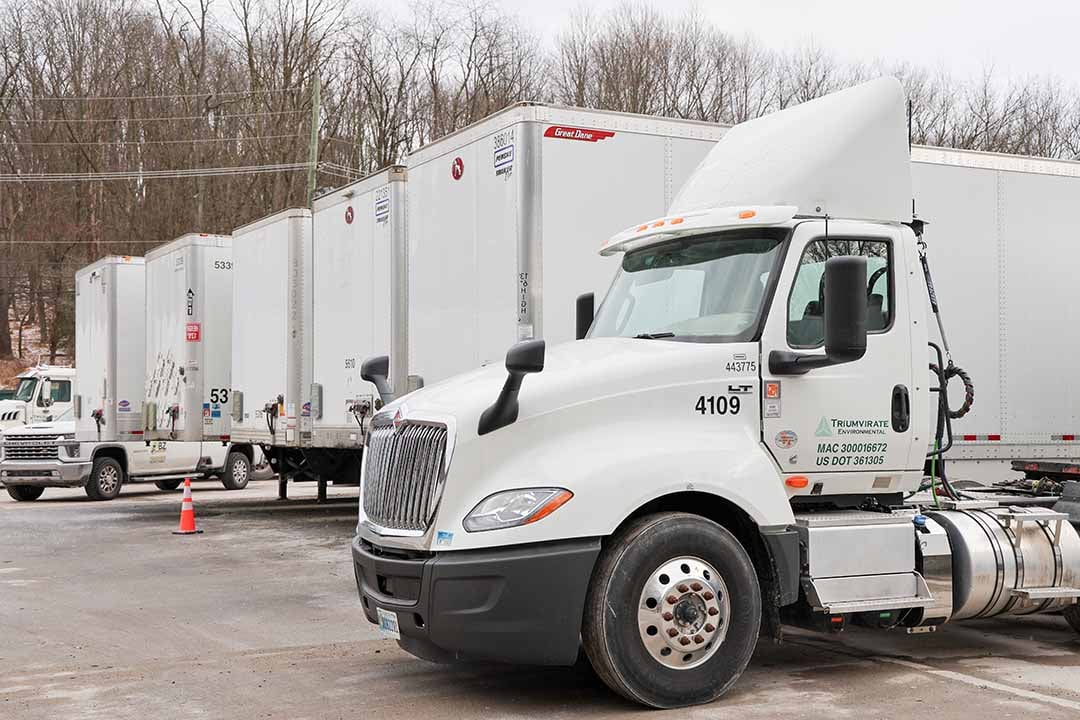
A fleet of Triumvirate Environmental trucks sit at a truck yard ready for emergency response or other environmental services.

What to Expect: Emergency Response

IMPORTANT: If your situation poses an immediate threat to life or safety, call 9-1-1.

Emergency response isn’t one-size-fits-all. We tailor our approach based on the scenario, the risk, and your facility. Once the scene is secure, our emergency response teams can support containment, cleanup, and compliance.

We respond to the types of incidents facilities encounter most often, with a focus on fast containment and safe cleanup.
  • Chemical spills in labs and production areas
  • Oil and fuel releases from equipment or vehicles
  • Wastewater overflows and system failures
  • Mercury spills and hazardous material releases
  • Flooded spaces, including basements and elevator pits
  • Unknown odors or air quality concerns

Our teams assist at a wide range of environmental emergencies, from routine incidents to complex, high-risk situations.

  • Hazardous and non-hazardous material releases
  • Fires and post-fire cleanup
  • Floods and water-related damage
  • High-hazard and reactive materials (e.g., lithium batteries, peroxide formers)
  • Industrial, commercial, and facility-based incidents
  • Post-disaster cleanup support

Our specialized rapid response teams are equipped to respond to most large-scale or high-impact incidents within four hours or less.

  • 24/7/365 dispatch and escalation protocols
  • Regional rapid response coverage for major incidents
  • Coordination with local responders and specialized teams
  • Ability to scale response with additional equipment and personnel

Availability varies by location and incident type.

The best emergency response starts before an incident occurs. Our EHS consultants help you build plans that reduce response time and improve outcomes.

  • Hazard assessments and scenario planning
  • Emergency response and hazard communication training and mock drills
  • Tabletop exercises for leadership and response teams
  • Communication and reporting frameworks

A well-built emergency plan ensures faster decisions, safer outcomes, and better compliance when emergencies happen. This proactive approach reduces response time, limits risk, and ensures your team is better prepared to handle emergencies without disruption to core operations.

Why Emergency Response Matters to Your Organization

Growth chart icon

Faster Containment

Limit the spread of hazardous materials and reduce overall impact.

Shield checkmark icon

Safer Response

Protect employees, responders, and surrounding communities.

Online checklist icon

Regulatory Compliance

Meet reporting and cleanup requirements with proper documentation.

Boxes on conveyor belt icon

Reduced Downtime

Restore operations faster with controlled, efficient response.

Money increasing graph icon

Cost Control

Minimize cleanup costs by addressing incidents early and correctly.

Checklist icon

Peace of Mind

Know you have a trusted partner when the unexpected happens.

Who We Work With

Beaker checkmark icon

Life Sciences

Pharmaceutical manufacturers and research labs.
Healthcare icon

Healthcare

Hospitals, clinics, and laboratories.
Graduation cap icon

Higher Education

Universities and academic research facilities.
Electric atom icon

Advanced Manufacturing

Chemical plants, semiconductors, automotive, aerospace, and electronics.

Other Industries

We also support sectors such as energy and utilities (power plants, oil and gas operations) and industrial and maintenance operations (facilities using solvents, paints, or hazardous chemicals), and more.

Be prepared for any emergency. 


Frequently Asked Questions

What qualifies as an environmental emergency?

An environmental emergency typically involves an uncontrolled release of hazardous materials or any situation that poses an immediate risk to human health or the environment. Call 9-1-1 in the US if a situation poses an immediate threat to human health, life, or safety.

What types of emergencies does Triumvirate Environmental respond to most often?

Are Triumvirate Environmental’s emergency response services available 24/7?

Does Triumvirate Environmental handle large-scale or transportation-related incidents?

Can Triumvirate Environmental help us prepare before an emergency happens?

Does Triumvirate Environmental respond to residential emergencies?

Featured Resources

Top 10 OSHA violations usual suspects in a line up.
Regulatory Compliance

Top 10 OSHA Violations: The Usual Suspects

Year after year, organizations across industries and throughout the nation fail to meet federal worker safety guidelines. And year after year, this ...
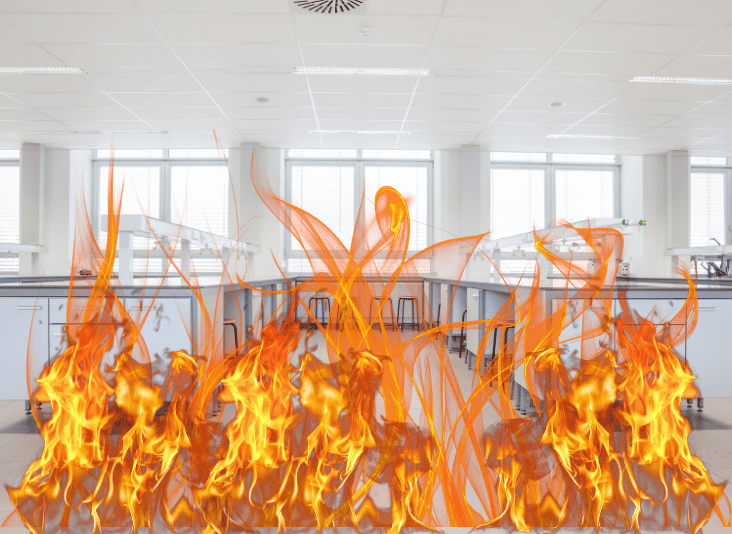
A fire burns uncontrolled in a laboratory environment. Fire prevention and suppression techniques are needed.
Safety

Lab Fire Safety: Connecting Fire Prevention and Suppression

The United States, on average, experiences about 5 chemical incidents per week. These incidents can lead to widespread fires, including a recent ...

Laboratory professional examines a biological sample while following biosafety procedures in a research laboratory.
Regulatory Compliance

Draft NIH Biosafety Policy for Research Involving Biohazards

The National Institutes of Health (NIH) is moving toward a broader, risk-based biosafety framework that could affect research governance, ...
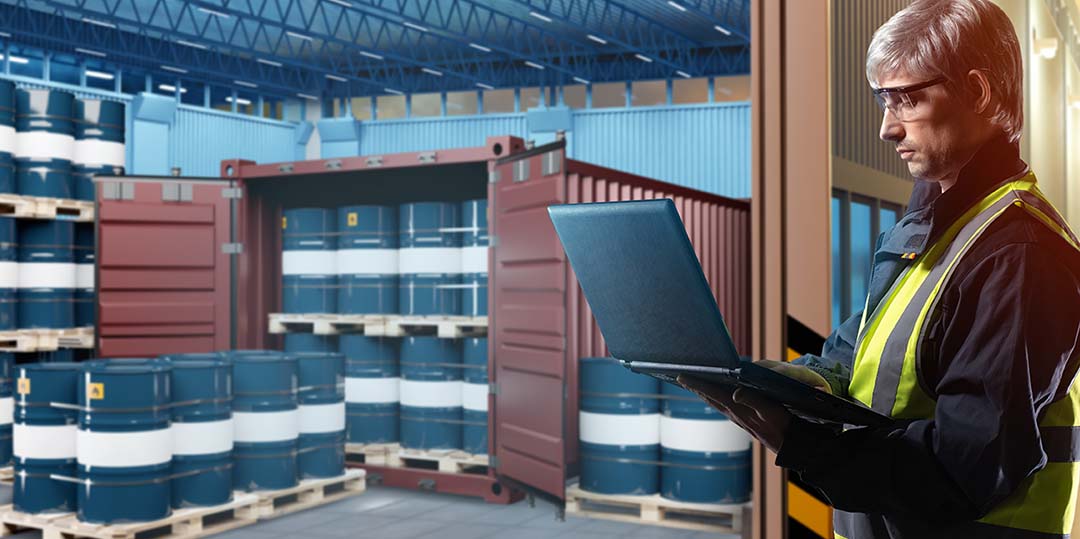
EHS employee documenting hazardous waste drums during facility inspection.
Hazardous Materials

Reduce Hazardous Waste Disposal Costs with TSDFs

Every year, organizations spend millions managing hazardous waste—but many are trying to optimize the wrong cost centers. While disposal fees receive ...
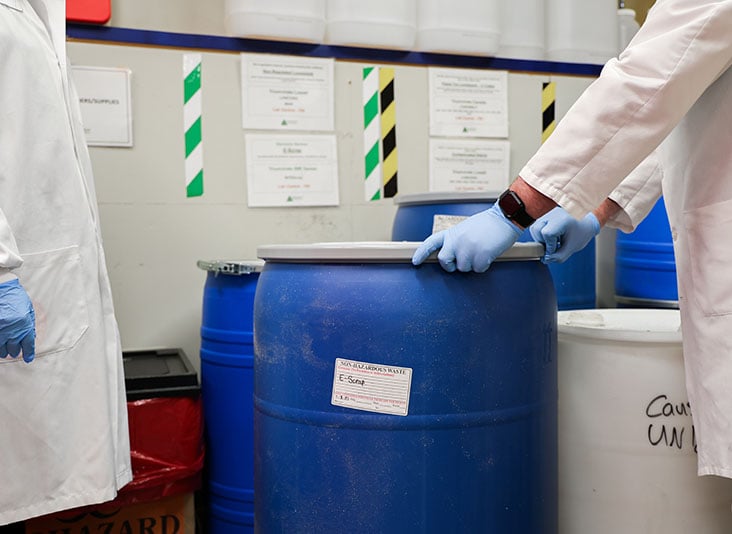
Labeling and classifying waste containers in a multi-site waste management program.
Hazardous Materials

Multi-Site Waste Management Strategies for Scalable Operations

Multi-site companies rarely design their waste programs from a blank page. More often, they inherit them through growth: A new facility opens. A lab ...

Industrial worker in a hard hat reviewing data on a laptop in a warehouse or manufacturing facility.
Waste Management

3PL Compliance Gap Analysis for Supply Chain Organizations

Warehouses and distribution centers today handle an ever-growing mix of products: regulated goods, defective goods, damaged materials, a nd more. A ...