
Universal Waste Disposal Made Simple and Sustainable
Universal waste management is complex—Triumvirate Environmental makes it simple.
Triumvirate Environmental’s innovative waste management strategies help make commercial universal waste disposal straightforward, safe, compliant, and even sustainable.
Exceeding Customers’ Expectations
It has truly been a pleasure working with such a dedicated and professional partner. From the outset, your team demonstrated a commitment to excellence. The transition was seamless, and your staff's responsiveness and attention to detail have consistently exceeded our expectations. Whether it's the punctuality of pickups, the cleanliness of equipment, or the courteous demeanor of your drivers, every aspect of your service reflects a high standard of professionalism. We at Sintavia have enjoyed the business of working with Triumvirate, and we look forward to our continued partnership.
Universal Wastes Are Common Yet Complex Hazardous Wastes
Proper universal waste disposal is important in that, first and foremost, it protects workers, communities, and the environment from the hazards posed by common universal wastes. Not only that, but compliant commercial hazardous waste disposal reduces liability and helps organizations avoid regulatory fines. Finally, correct universal waste disposal can even support sustainability recycling initiatives and environmental, social, and governance (ESG) goals by utilizing environmentally friendly processes like universal waste recycling and recovery.
Your Partner in Universal Waste Management
Triumvirate is not only a waste disposal vendor, but rather a reliable, knowledgeable partner in universal waste management.
- Proven track record of safely, compliantly, and effectively managing and disposing of complex waste streams.
- Consulting and training, onsite support, program management, transportation, disposal, and more.
- Demonstrable dedication to safety, providing training and support for both our and our clients’ teams.
- Commitment to compliance.
- Sustainability-forward approach ensures that a client has access to environmentally friendly options for universal waste disposal so they can continue to reach their goals.
Our Universal Waste Management Solutions
As an experienced universal waste disposal company, we can help with all aspects of effective, compliant, and sustainable universal waste disposal.
Triumvirate offers full-service capabilities across the universal waste management lifecycle:
- Collection
- Packaging
- Labeling
- Transportation
- Onsite training and development
At all times, our team works to ensure compliance with all relevant EPA and state rules, including determining recycling and other sustainable universal waste disposal options.
The most prominent universal waste regulations are those of the Environmental Protection Agency (EPA) Resource Conservation and Recovery Act (RCRA) 40 CFR 273. RCRA regulates everything from universal waste storage, labeling, and accumulation limits to final disposal, including training requirements for personnel. These regulations also work to promote recycling of universal waste and prevent landfill accumulation of universal waste. Overall, the regulations dictate that wastes must be stored, transported, and disposed of in such a way that they will not be released into the environment. The Department of Transportation (DOT) may also have rules that apply to universal waste depending on the type of waste being shipped.
The Resource Conservation and Recovery Act (RCRA) sets forth standards and guidelines for five specific types of universal wastes with the intention to simplify hazardous waste rules for these common items. We can manage nearly any type of universal waste, but our most prominent disposal capabilities align with RCRA’s five specific universal waste types, including RCRA training requirements for personnel.
Universal Waste Management Tailored to Your Operation
For help managing large amounts of universal waste, turn to a licensed and experienced universal waste disposal partner like Triumvirate Environmental. We can help you:
Develop a Disposal Strategy
Establish a protocol, training plan, and strategy aligned with your unique operations that accommodate the complex nature of universal waste.

Stay Compliant
Keep your teams safe through effective recycling or recovery of materials, to help you reach your overall safety as well as commercial waste disposal and management goals.
Train Your Team
RCRA training helps teams comply with universal waste regulations, effectively avoiding safety issues and noncompliance fines.
Scale Your Program
Very small quantity generators may eventually become large quantity generators—and Triumvirate will be there to help scale a universal waste disposal program at every step of the way.
Who We Work With
Healthcare
Hospitals, clinics, and laboratories.Life Sciences
Pharmaceutical manufacturers and research labs.Higher Education
Universities and academic research facilities.Advanced Manufacturing
Chemical plants, semiconductors, automotive, aerospace, and electronics.
Other Industries
We also support sectors such as energy and utilities (power plants, oil and gas operations) and industrial and maintenance operations (facilities using solvents, paints, or hazardous chemicals), and more.
Looking for universal waste disposal that works for you? We have you covered. Reach out to our experts today.
Frequently Asked Questions
What is the difference between hazardous waste and universal waste?
All universal wastes are hazardous wastes by definition, but not all hazardous wastes are universal wastes. Universal waste is a type of hazardous waste that is complex and frequently generated by households and businesses.
What are some universal waste examples?
Universal wastes can come from vehicles, machinery, facilities, etc. These are just a few universal waste examples:
- Fluorescent and high-intensity discharge (HID) lamps
- Hard drives, electronics, and cathode ray tubes (CRTs)
- Smoke detectors
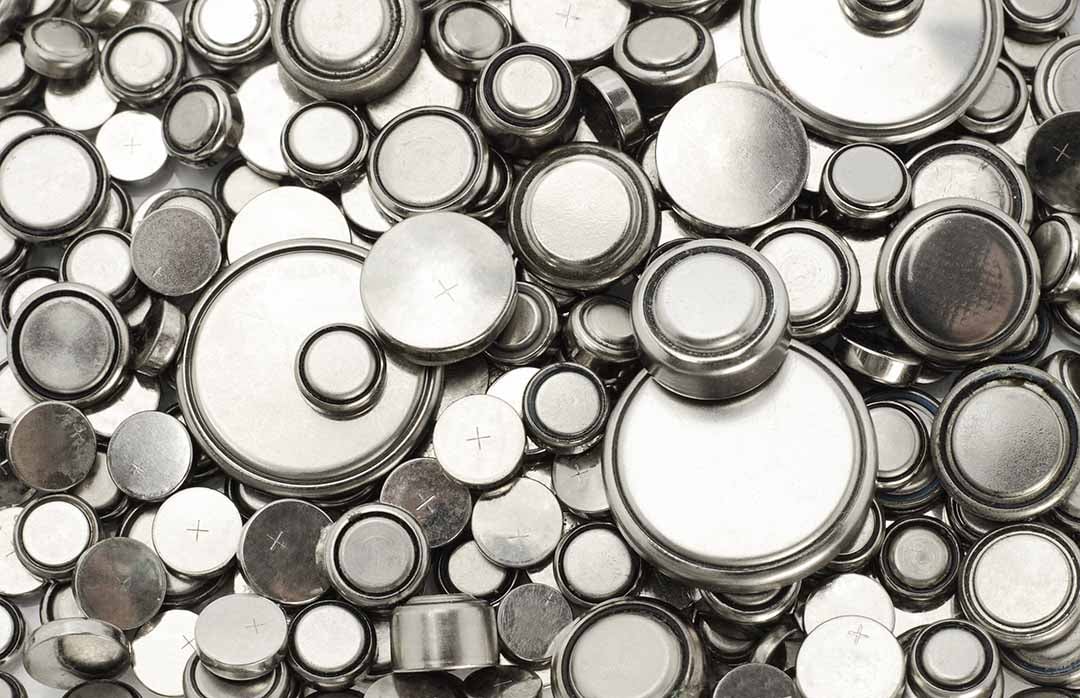
- Lead acid, lithium-ion, nickel-cadmium, and nickel metal hydride batteries
- Polychlorinated Biphenyls (PCB) lighting ballasts
- Mercury-containing devices
- Pesticides
- Aerosol cans
What is the difference between e-waste and universal waste?
Electronic waste (e-waste) typically refers to discarded electronic devices and equipment, such as smartphones, computers, televisions, and appliances, that are no longer needed or wanted. E-waste poses environmental and health risks because it contains harmful substances like lead, mercury, and cadmium that can contaminate soil and water if not properly disposed of. It also contains valuable materials like gold, silver, and copper that can be recovered through proper recycling, reducing the need for new resource extraction. E-waste also contains circuit boards and hard drives that may contain sensitive data. Not all e-waste is defined as universal waste, although some is. E-waste is a waste category that universal waste rules may or may not apply to.
What is not considered universal waste?
Hazardous waste is not inherently universal waste. Broken mercury-containing bulbs or leaking or ruptured batteries are typically considered hazardous waste due to the hazardous characteristics of the inner chemistry. On the flip side, certain pesticides and empty aerosol cans are exempt from the universal waste definition. LED lamps are also not considered universal waste since they do not contain any mercury or other hazardous components.
Can universal waste regulations differ from state to state?
Yes. There may be state- and organization-specific differences between RCRA regulations, and state-level regulations may apply.
Why are universal wastes regulated?
Universal wastes, by definition, contain hazardous materials. Regulations exist to keep both humans and the environment safe from these hazards.