
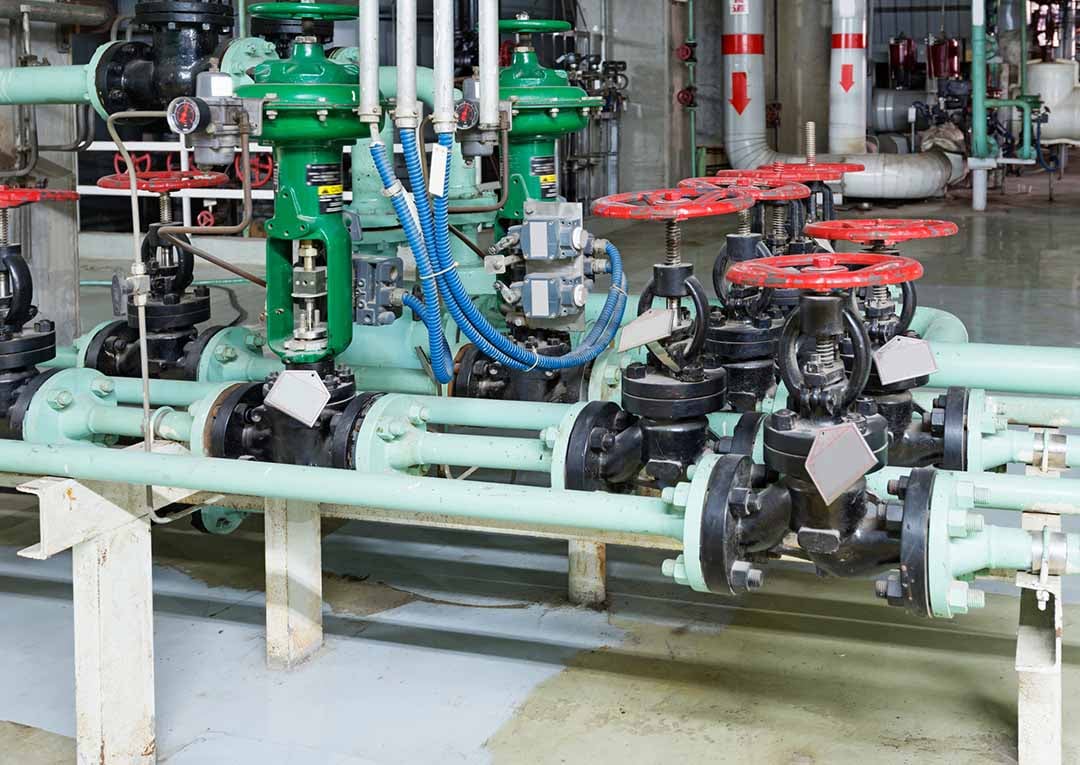
Leak detection and repair services help keep operations safe and compliant.

Leak Detection and Repair (LDAR)

Leak detection and repair services for EPA compliance and safety.

Comprehensive LDAR programs that detect leaks, reduce emissions, and meet EPA requirements—decreasing the operational burden so your team can stay focused on core priorities. 


Exceeding Customers’ Expectations

It has truly been a pleasure working with such a dedicated and professional partner. From the outset, your team demonstrated a commitment to excellence. The transition was seamless, and your staff's responsiveness and attention to detail have consistently exceeded our expectations. Whether it's the punctuality of pickups, the cleanliness of equipment, or the courteous demeanor of your drivers, every aspect of your service reflects a high standard of professionalism. We at Sintavia have enjoyed the business of working with Triumvirate, and we look forward to our continued partnership.

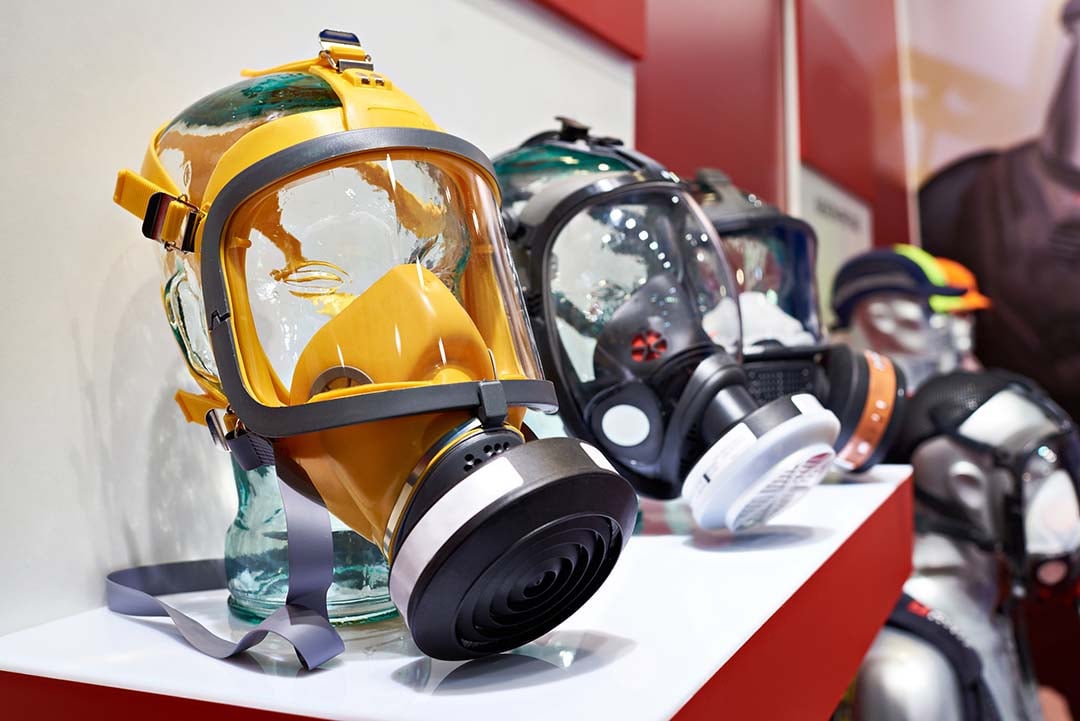
Respirators are lined up to help support leak detection and repair services.

Leaks Create Compliance Risk

Equipment leaks are one of the largest uncontrolled sources of emissions in industrial operations, according to the EPA. As such, the agency highly regulates the detection and stopping of leaks before they can become a safety, environmental, or health issue. Without a structured LDAR program, facilities face increased regulatory risk, product loss, and exposure. Organizations struggle with the complexities of LDAR:

  • Difficulty identifying leaks across complex systems and components
  • Inconsistent LDAR inspection and monitoring practices
  • Lack of clear leak definitions or repair thresholds
  • Gaps in LDAR data tracking, QA/QC, and recordkeeping
  • Missed repair timelines and audit exposure
  • Limited internal resources to manage LDAR programs
  • Competing priorities that pull EHS teams away from core operational and strategic responsibilities
  • Preparing for inspections without audit-ready documentation

Your Partner for LDAR

What makes Triumvirate different when it comes to LDAR? We build structured, defensible LDAR programs grounded in EPA best practices and real-world execution:

  • Programs designed to be aligned with EPA Method 21 and regulatory expectations
  • Component-level visibility through tagging, tracking, and system mapping
  • Integrated LDAR monitoring, repair, and EHS reporting workflows
  • QA/QC processes and SOPs to ensure data accuracy and audit readiness
  • Support for both new LDAR program templates and program optimization
  • Experience across complex, process-driven environments
  • Experts who become an extension of your EHS team, reducing program management burden
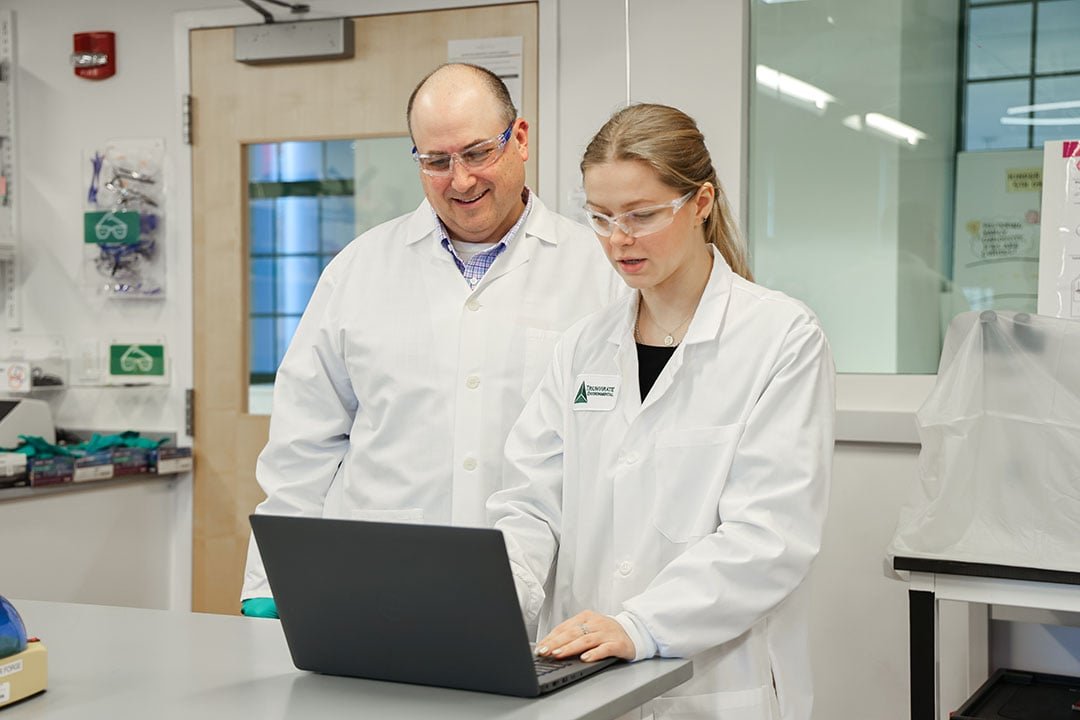
Two environmental specialists smile as they detect a leak as they rely on leak detection and repair services.

Our Approach to Leak Detection and Repair

Effective leak detection and repair requires more than monitoring. We build LDAR programs around proven best practices that improve accuracy, reduce emissions, and stand up to regulatory scrutiny.

We survey your unique facility and establish a complete inventory of all regulated components to ensure full program coverage.

  • Tagging valves, pumps, connectors, and piping with unique IDs
  • Mapping components to system diagrams
  • Building centralized LDAR data systems
  • Performing field audits to verify equipment accuracy

We create consistent, practical leak definitions that drive action without overcomplicating the program.

  • Establishing leak thresholds aligned with EPA LDAR regulations
  • Applying conservative definitions to reduce risk
  • Standardizing definitions across component types
  • Simplifying multi-threshold environments

We perform continual LDAR monitoring using consistent, auditable methods that improve accuracy and efficiency.

  • LDAR inspection services using EPA Method 21
  • Electronic data logging for accuracy and traceability
  • Monitoring across valves, flanges, pumps, and vents
  • QA/QC checks to validate LDAR data integrity

We support rapid, structured repair processes to reduce emissions and maintain compliance.

  • Defined repair timelines and escalation procedures
  • Immediate first-attempt repairs after detection
  • Follow-up monitoring to confirm resolution
  • Recommendations for leak-resistant components

We ensure your LDAR program is fully documented, auditable, and compliant.

  • Detailed LDAR recordkeeping and reporting
  • Electronic data storage and management
  • Ongoing program audits and compliance check-ups
  • Updates aligned with regulatory or operational changes

Why LDAR Services Matter to Your Organization

Wind turbine whirring fast icon

Emissions Reduction

Reduce volatile organic compound (VOC) and hazardous air pollutant emissions from equipment leaks.

Online checklist icon

Regulatory Compliance

Meet EPA LDAR requirements with structured, defensible programs.

Person with flag icon

Audit Readiness

Maintain complete, accurate records for inspections and reporting.

Money increasing graph icon

Cost Savings

Reduce product loss, emission fees, and enforcement risks, freeing up resources for strategic initiatives.

Shield checkmark icon

Safer Operations

Limit exposure risks to employees and surrounding communities.

Downward flowchart icon

Program Control

Gain visibility into system performance and leak trends.

Who We Work With

Beaker checkmark icon

Life Sciences

Pharmaceutical manufacturers and research labs.
Healthcare icon

Healthcare

Hospitals, clinics, and laboratories.
Graduation cap icon

Higher Education

Universities and academic research facilities.
Electric atom icon

Advanced Manufacturing

Chemical plants, semiconductors, automotive, aerospace, and electronics.

Other Industries

We also support sectors such as energy and utilities (power plants, oil and gas operations) and industrial and maintenance operations (facilities using solvents, paints, or hazardous chemicals), and more.

Need a stronger LDAR program? Start with the right foundation.


Frequently Asked Questions

What is an LDAR program?

An LDAR program (Leak Detection and Repair) is a structured system used to identify, monitor, and repair leaks in industrial equipment to reduce emissions and maintain regulatory compliance.

Why are LDAR programs important?

What components are included in LDAR monitoring?

What is EPA Method 21?

How quickly do leaks need to be repaired?

How does Triumvirate improve existing LDAR programs?

Featured Resources

Top 10 OSHA violations usual suspects in a line up.
Regulatory Compliance

Top 10 OSHA Violations: The Usual Suspects

Year after year, organizations across industries and throughout the nation fail to meet federal worker safety guidelines. And year after year, this ...
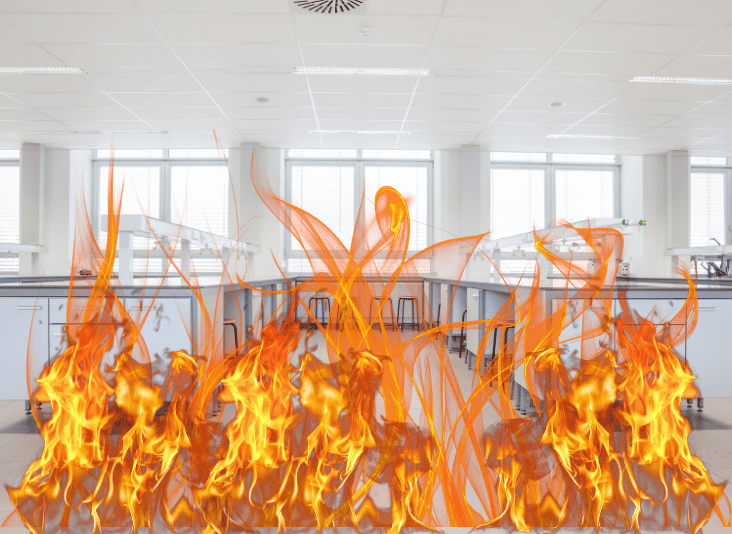
A fire burns uncontrolled in a laboratory environment. Fire prevention and suppression techniques are needed.
Safety

Lab Fire Safety: Connecting Fire Prevention and Suppression

The United States, on average, experiences about 5 chemical incidents per week. These incidents can lead to widespread fires, including a recent ...

Laboratory professional examines a biological sample while following biosafety procedures in a research laboratory.
Regulatory Compliance

Draft NIH Biosafety Policy for Research Involving Biohazards

The National Institutes of Health (NIH) is moving toward a broader, risk-based biosafety framework that could affect research governance, ...
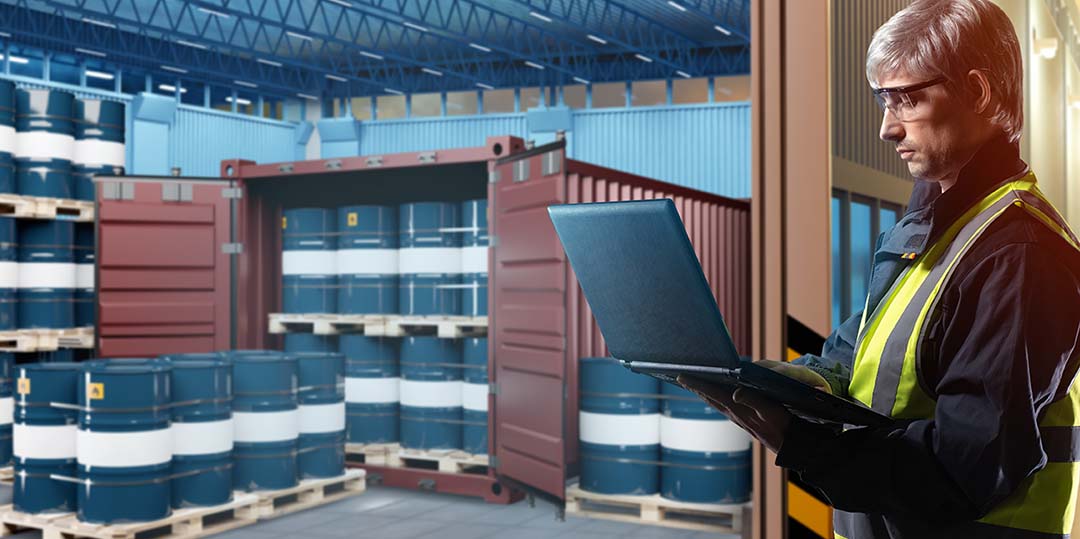
EHS employee documenting hazardous waste drums during facility inspection.
Hazardous Materials

Reduce Hazardous Waste Disposal Costs with TSDFs

Every year, organizations spend millions managing hazardous waste—but many are trying to optimize the wrong cost centers. While disposal fees receive ...
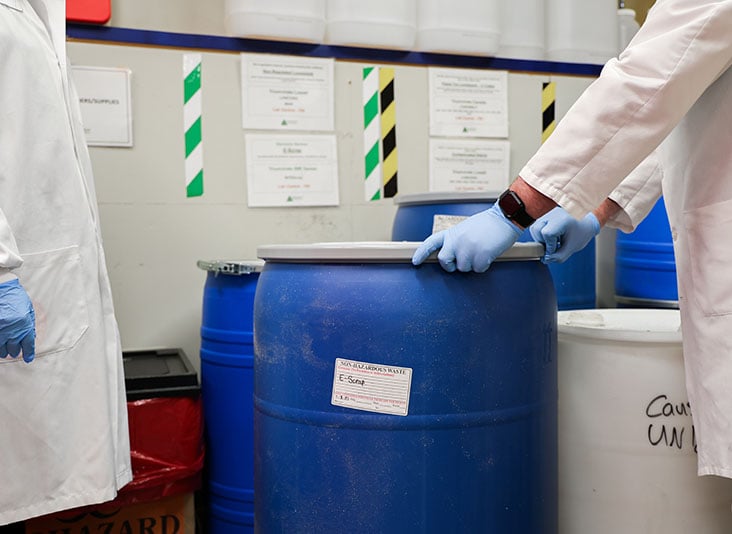
Labeling and classifying waste containers in a multi-site waste management program.
Hazardous Materials

Multi-Site Waste Management Strategies for Scalable Operations

Multi-site companies rarely design their waste programs from a blank page. More often, they inherit them through growth: A new facility opens. A lab ...

Industrial worker in a hard hat reviewing data on a laptop in a warehouse or manufacturing facility.
Waste Management

3PL Compliance Gap Analysis for Supply Chain Organizations

Warehouses and distribution centers today handle an ever-growing mix of products: regulated goods, defective goods, damaged materials, a nd more. A ...