Hazardous waste transportation is achieved as a truck drives along a country road.
Home > Commercial and Hazardous Waste Disposal > Hazardous Waste Transportation

Hazardous Waste Transportation and Disposal Services

Hazardous waste transportation services that help you move waste efficiently and with confidence.

From pickup to final disposal—fully managed, fully compliant.


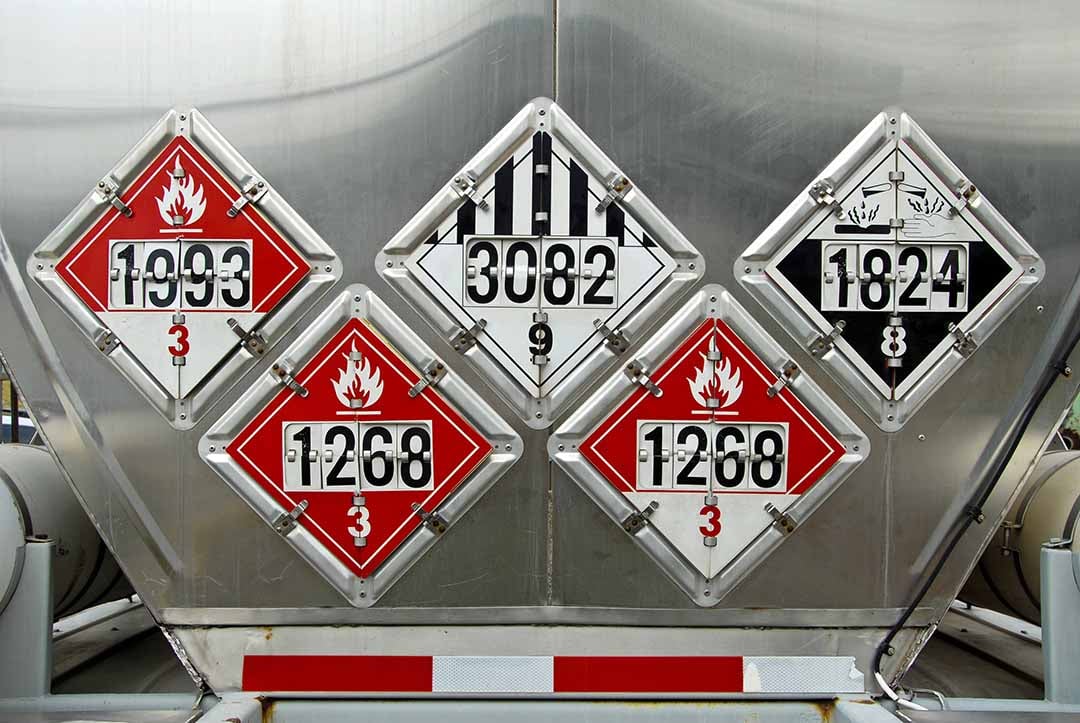
A truck displays hazard communication placards as required for hazardous waste transportation.

The Woes of Hazardous Waste Transport

Whether you’re managing routine lab waste or coordinating thousands of tons of contaminated soil, transportation is where costs, compliance risks, and operational delays often compound. Disconnected vendors, inefficient routing, and poor visibility can lead to missed pickups, regulatory exposure, and unnecessary spend. Most often, we see:

  • Multiple providers handling removal, transport, and disposal create gaps in accountability and communication.
  • Inefficient routing, underutilized loads, and repeat trips drive up total disposal spend.
  • Lack of tracking and reporting makes it difficult to understand where waste is—and whether it’s compliant.
  • Missed pickups, poor coordination, or limited fleet availability disrupt operations and project timelines.
  • Each transfer point increases the chance for documentation errors, misclassification, or non-compliance.
  • Standardized solutions don’t work for varying needs—from routine lab pickups to bulk soil removal or emergency response.

Your Partner in Hazardous Waste Transportation and Disposal

What makes Triumvirate Environmental different from other waste transportation companies? Our integrated and logistics-focused approach to hazardous waste transportation services ensure:

  • End-to-end chain of custody from pickup through final facility acceptance
  • Flexible fleet and equipment options to match your waste type and volume (drums, totes, roll-offs, bulk liquids, soil, and more)
  • Optimized routing and load planning to reduce trips, costs, and emissions
  • Regulatory alignment across RCRA, DOT, and state-specific requirements
  • Real-time coordination between field teams, transport, and disposal facilities
  • Proven safety performance and trained personnel managing every step
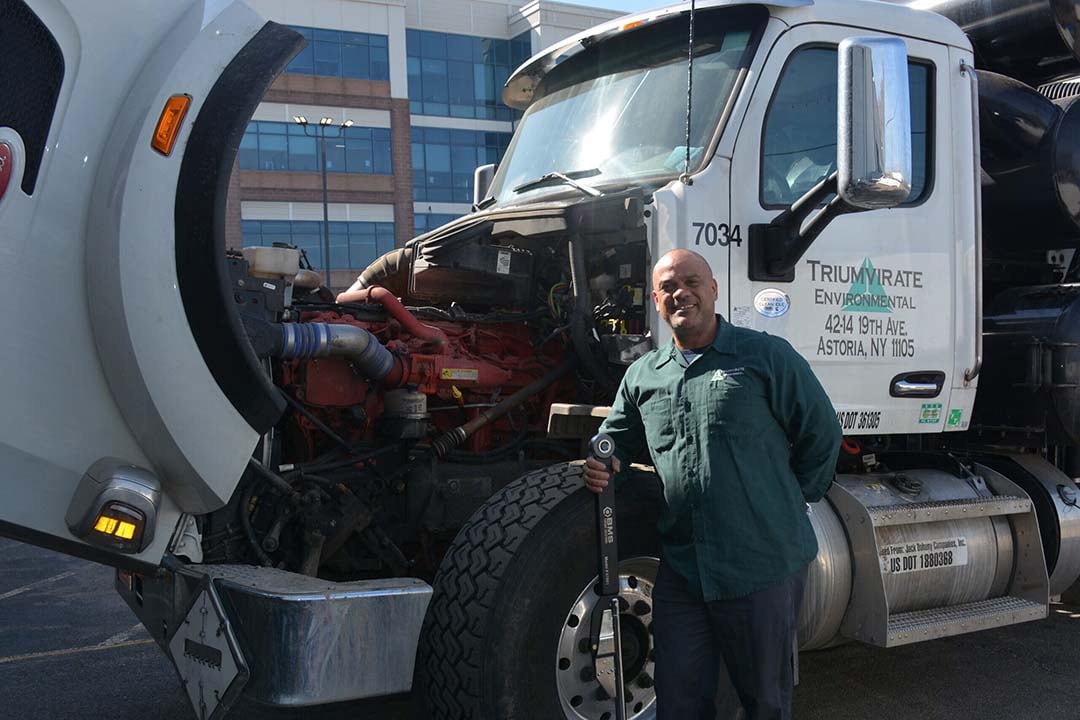
A driver does a truck inspection to stay safe and compliant during hazardous waste transportation.

Our Approach to Hazardous Waste Transport

We look at transportation and disposal differently. It’s part of a broader, integrated system. Our experts fully understand the need and where it overlaps operationally. In fact, our teams coordinate directly with onsite operations, environmental remediation, lab services, and waste management programs to ensure every material is handled, moved, and disposed of with precision.

Whether we’re supporting a routine waste program or a complex field project, we bring together technical expertise, logistics coordination, and regulatory oversight to manage waste from generation through final disposition, without gaps, delays, or unnecessary cost.

We evaluate your waste streams, volumes, and site conditions to determine the safest, most efficient transportation and disposal strategy.

  • Waste characterization and classification
  • Packaging and container selection
  • Facility acceptance criteria review
  • Disposal pathway planning
  • Commercial pre-construction services

We manage the physical movement of your waste using the right equipment, routing, and scheduling strategy.

  • Drum, tote, and chemical lab pack transport
  • Bulk liquid and tanker transportation
  • Roll-offs, dump trailers, and contaminated soil hauling
  • Vacuum truck services for liquids and sludge
  • Transport options for project flexibility

We align your waste with the right disposal or industrial waste recycling solution, balancing cost, compliance, and sustainability goals.

  • Non-hazardous and commercial hazardous waste disposal
  • Fuel blending, treatment, recycling, or landfill
  • Beneficial reuse and circularity opportunities
  • Multi-site program coordination

We ensure every shipment is properly documented, tracked, and compliant from cradle to grave.

Why Hazardous Waste Transportation and Disposal Matters

Money increasing graph icon

Lower Costs

Reduce transportation spend through optimized routing and fewer trips.

Downward flowchart icon

Full Visibility

Track waste movement from pickup through final disposal.

Two people conversation icon

Operational Continuity

Minimize disruption with reliable scheduling and rapid response.

Online checklist icon

Regulatory Confidence

Maintain compliance across transportation, handling, and disposal.

Boxes on conveyor belt icon

Scalable Solutions

Support everything from routine pickups to large-scale projects.

Recycling icon

Sustainability Goals

Identify recycling and diversion opportunities at every step.

Who We Work With

Three person meeting icon

Developers

Large-scale commercial and industrial development projects. 
Hands together icon

Construction Managers & General Contractors

Foundation and excavation teams managing site timelines. 
Electricity hero icon

Environmental Engineers

Firms overseeing contaminated site remediation.

Electric atom icon

Utility and Energy Companies

Infrastructure and pipeline projects requiring soil management. 
Truck icon

Industrial & Remediation Firms

Organizations handling complex contaminated sites. 
Beaker checkmark icon

Life Sciences

Pharmaceutical manufacturers and research labs.
Healthcare icon

Healthcare

Hospitals, clinics, and laboratories.
Graduation cap icon

Higher Education

Universities and academic research facilities.
Electric atom icon

Advanced Manufacturing

Chemical plants, semiconductors, automotive, aerospace, and electronics.

In need of a reliable, expert hazardous waste transportation partner? We handle the details so you don’t have to.


Frequently Asked Questions

What types of waste can you transport and dispose of?

We handle a wide range of hazardous and non-hazardous wastes, including flammables, corrosives, fuels, oils, sludge, PCBs, biological, and regulated chemical waste streams. We also support bulk materials like contaminated soil and construction debris.

How do you control transportation costs?

Can you support large-scale projects like soil excavation or facility closures?

Do you offer emergency response transportation?

Featured Resources

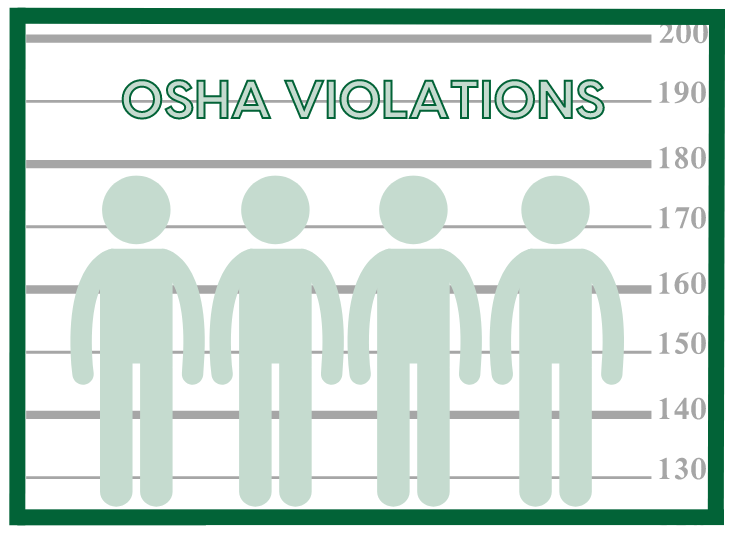
Top 10 OSHA violations usual suspects in a line up.
Regulatory Compliance

Top 10 OSHA Violations: The Usual Suspects

Year after year, organizations across industries and throughout the nation fail to meet federal worker safety guidelines. And year after year, this ...
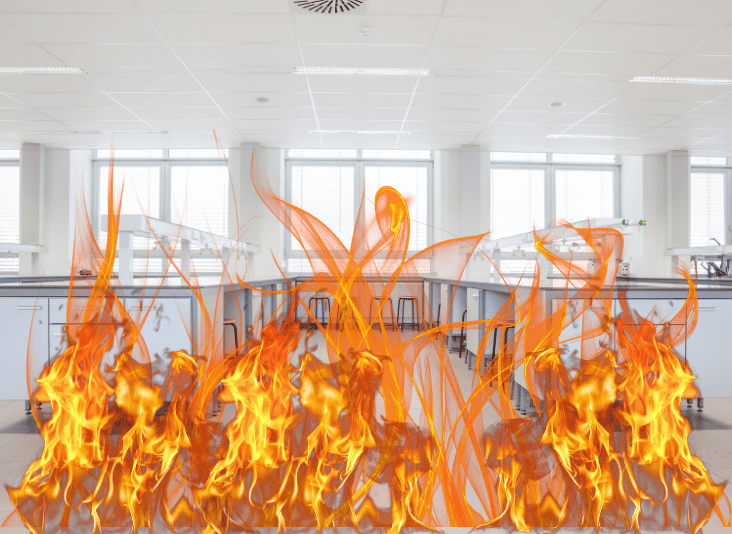
A fire burns uncontrolled in a laboratory environment. Fire prevention and suppression techniques are needed.
Safety

Lab Fire Safety: Connecting Fire Prevention and Suppression

The United States, on average, experiences about 5 chemical incidents per week. These incidents can lead to widespread fires, including a recent ...

Laboratory professional examines a biological sample while following biosafety procedures in a research laboratory.
Regulatory Compliance

Draft NIH Biosafety Policy for Research Involving Biohazards

The National Institutes of Health (NIH) is moving toward a broader, risk-based biosafety framework that could affect research governance, ...
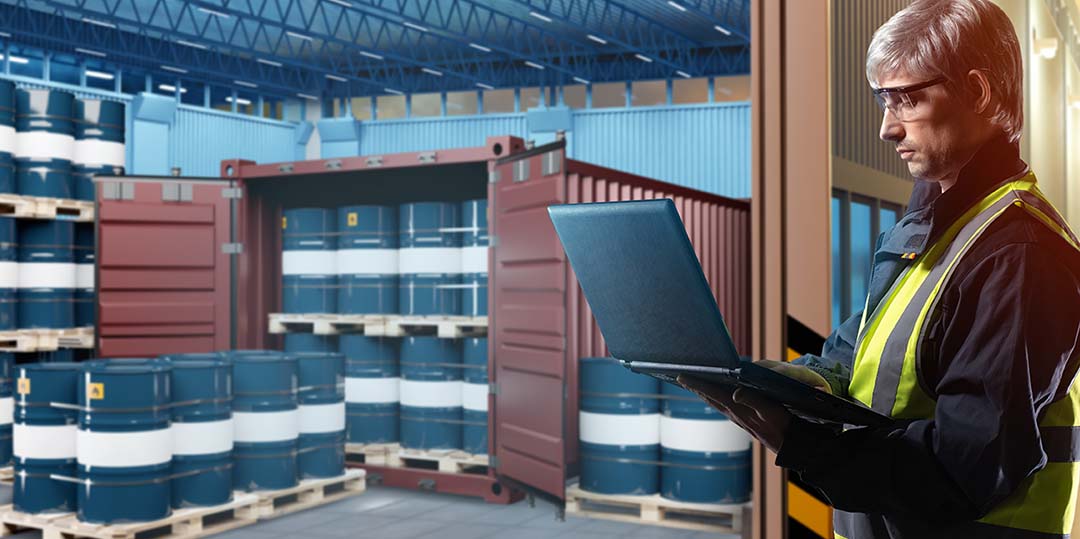
EHS employee documenting hazardous waste drums during facility inspection.
Hazardous Materials

Reduce Hazardous Waste Disposal Costs with TSDFs

Every year, organizations spend millions managing hazardous waste—but many are trying to optimize the wrong cost centers. While disposal fees receive ...
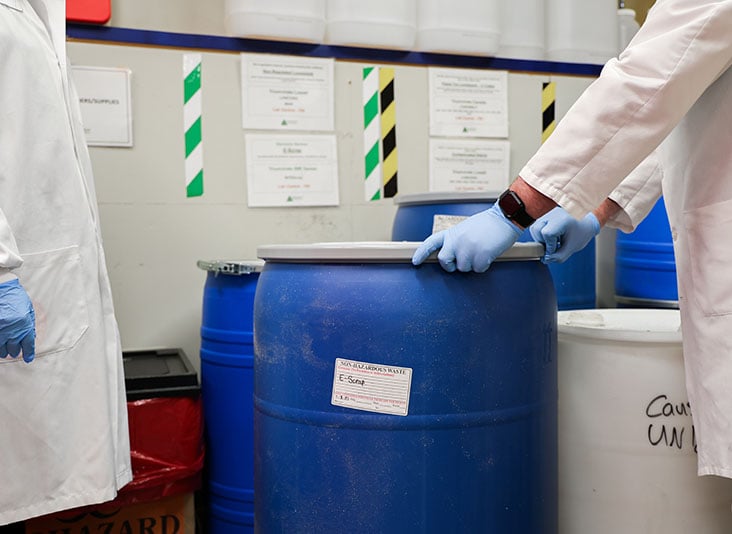
Labeling and classifying waste containers in a multi-site waste management program.
Hazardous Materials

Multi-Site Waste Management Strategies for Scalable Operations

Multi-site companies rarely design their waste programs from a blank page. More often, they inherit them through growth: A new facility opens. A lab ...

Industrial worker in a hard hat reviewing data on a laptop in a warehouse or manufacturing facility.
Waste Management

3PL Compliance Gap Analysis for Supply Chain Organizations

Warehouses and distribution centers today handle an ever-growing mix of products: regulated goods, defective goods, damaged materials, a nd more. A ...