
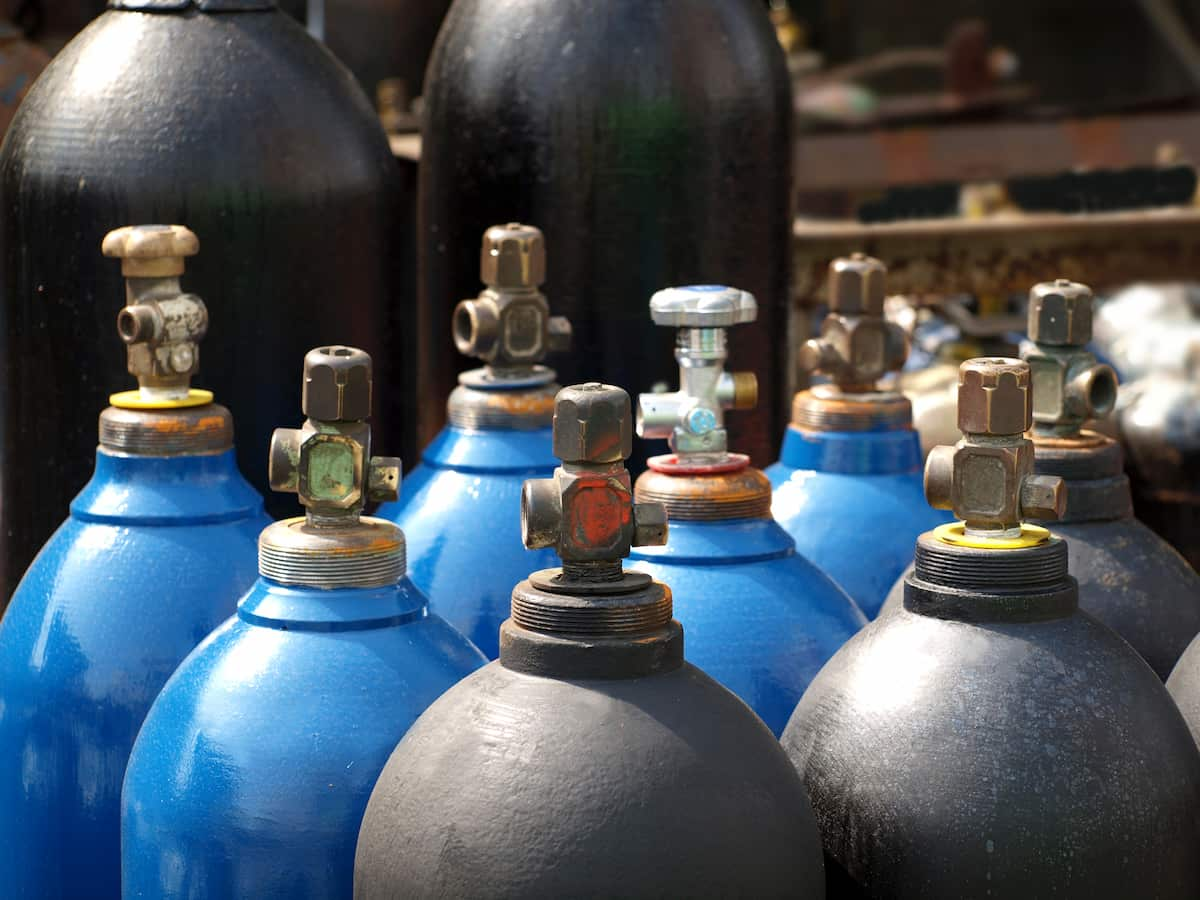
Silver and blue gas cylinders sit in a satellite accumulation area awaiting gas cylinder disposal.
Home > Commercial and Hazardous Waste Disposal > Gas Cylinder Disposal

Gas Cylinder Disposal and Recycling

Get expert services to safely manage and dispose of gas cylinders.

Triumvirate Environmental offers end-to-end gas cylinder collection and pressurized cylinder recycling services. Our teams follow strict safety protocols to ensure cylinders are handled and processed responsibly.


Exceeding Customers’ Expectations

It has truly been a pleasure working with such a dedicated and professional partner. From the outset, your team demonstrated a commitment to excellence. The transition was seamless, and your staff's responsiveness and attention to detail have consistently exceeded our expectations. Whether it's the punctuality of pickups, the cleanliness of equipment, or the courteous demeanor of your drivers, every aspect of your service reflects a high standard of professionalism. We at Sintavia have enjoyed the business of working with Triumvirate, and we look forward to our continued partnership.

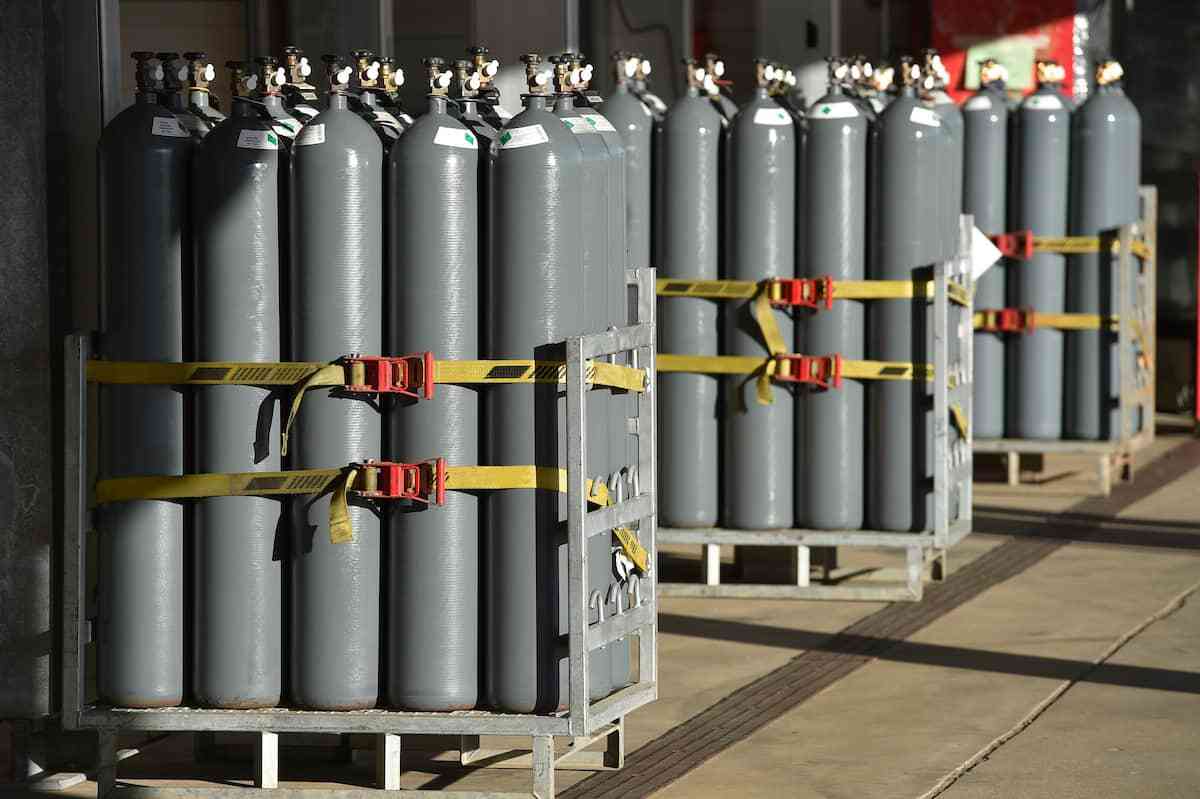
Bundles of gas cylinders rest outdoors awaiting gas cylinder disposal.

Comprehensive Cylinder Recycling Solutions

Improper handling or disposal of compressed gas cylinders can create significant safety and compliance risks. Facilities often accumulate cylinders due to expired inventory, discontinued research projects, or supplier return limitations.

Common challenges include:

  • Cylinders with unknown or unlabeled contents
  • Partially full or pressurized cylinders
  • Damaged or aging cylinders in storage
  • Supplier cylinders that cannot be returned
  • Storage space and safety concerns

Without proper management, these cylinders can become both a safety hazard and a regulatory liability.

Your Partner in Compressed Gas Cylinder Recycling and Disposal

Our gas cylinder recycling specialty combines technical expertise, regulatory knowledge, and operational discipline to help organizations safely manage compressed gas cylinder disposal while minimizing risk and environmental impact. With Triumvirate, you get:

  • Expert cylinder identification and risk assessment, including safe handling of unknown or partially full cylinders
  • Controlled depressurization and responsible recycling processes that prioritize safety and environmental stewardship
  • Strict compliance with Environmental Protection Agency (EPA), Occupational Health and Safety Administration (OSHA), and Department of Transportation (DOT) requirements, including full documentation and traceability
  • Deep experience in regulated environments, supporting life sciences, healthcare, higher education, and advanced manufacturing
  • A trusted partnership approach, backed by decades of EHS expertise and a proven track record of reliability
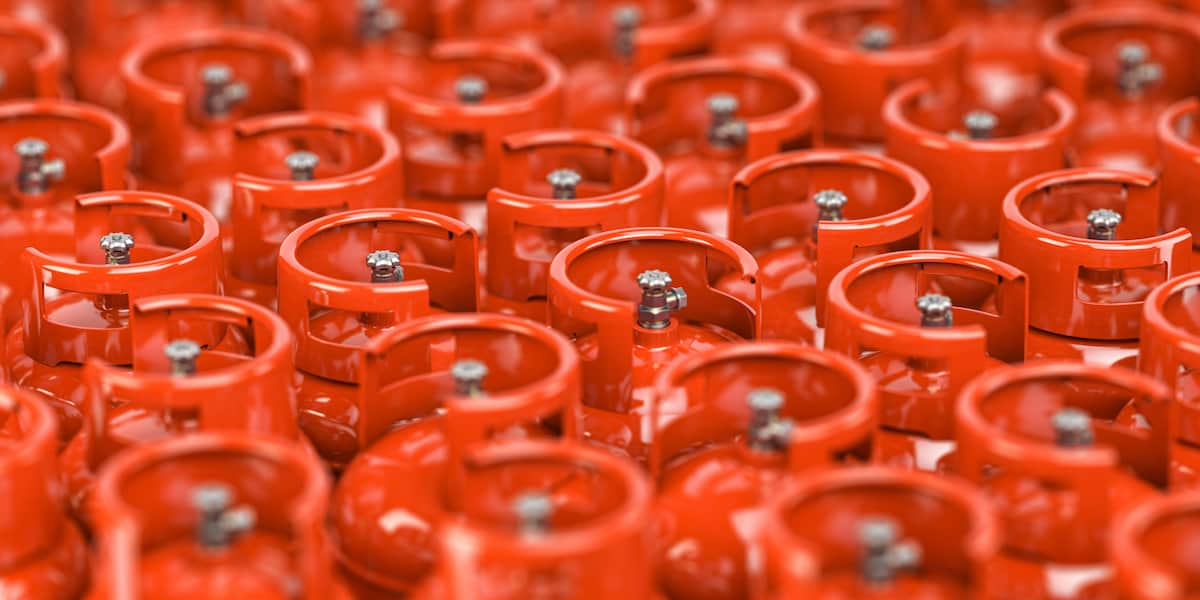
A wide field of orange gas cylinders, clean but used, are ready for gas cylinder disposal.

How We Approach Pressurized Cylinder Recycling and Disposal

We work with and dispose of compressed gas cylinders used across laboratories, healthcare, industrial manufacturing, energy, food production, research environments, and more. The applications are surprisingly broad because compressed gases are used for fuel, pressurization, cooling, calibration, chemical reactions, and protective atmospheres.

Whether you’re dealing with expired cylinders, unknown contents, or storage constraints, Triumvirate Environmental provides safe, efficient recycling solutions that help your facility reduce risk and reclaim valuable space.

Unused or aging gas cylinders often accumulate in storage areas due to expired inventory, discontinued research projects, or supplier return limitations. Left unmanaged, they can create safety hazards and operational challenges.
Common risks we see include:
  • Cylinders of unknown contents
  • Unlabeled cylinders or those lacking proper markings
  • Partially full or pressurized cylinders sitting in storage
  • Damaged, aging cylinders in storage
  • Old cylinders that cannot be returned to supplier
  • Storage space and safety concerns
Proper compressed gas cylinder disposal can eliminate safety and compliance issues.

Our experienced field teams follow strict safety protocols to ensure cylinders are handled and processed responsibly. Specialized tasks include:

  • Thorough cylinder identification and assessment of unknown, expired, or partially full cylinders and flagging unknown or unlabeled contents
  • Safe depressurization and controlled processing methods that eliminate hazards while preparing steel and aluminum cylinders for responsible recycling
  • Full documentation for regulatory compliance across EPA, OSHA, and DOT requirements for regulated laboratory, healthcare, and industrial environments
  • Additional services and support like commercial hazardous waste disposal, chemical lab pack, and laboratory and facility services
  • Proven operational reliability, backed by Triumvirate Environmental’s long-standing reputation as a trusted environmental services partner to complex organizations nationwide
The process usually begins with a site review to understand what cylinders exist and where they are located. Once assessed, they are prepared for safe removal from the facility. Our EHS specialists are trained in confirming the cylinder contents and classification. Then, they are stabilized for safe movement from storage areas, labs, or mechanical rooms.
At the processing facility, the cylinders are evaluated and prepared for disposal or recycling:
  • Confirmation of cylinder contents and hazard classification
  • Controlled depressurization or venting of residual gases
  • Gas capture or neutralization if required
  • Removal of cylinder valves
  • Verifying cylinders are fully depressurized

Once processed, the cylinder body can be recycled. Recycling typically involves:

  • Separating steel or aluminum cylinder bodies
  • Preparing cylinders for scrap metal recycling
  • Sending materials to certified recycling facilities
  • Recovering recyclable metals and reducing landfill waste

Part of this process is documenting and confirming the disposal and recycling method using hazardous waste manifests where applicable, as well as certificates of destruction, transport records, and compliance documentation.

Why Gas Cylinder Recycling and Disposal Is Important

We know managing waste streams goes beyond the headache of dealing with empty or expired cylinders. The business impact rolls up to greater corporate initiatives across all industries and verticals.

Online checklist icon

Regulatory Compliance

We help organizations and their teams navigate complex EPA, OSHA, and DOT requirements associated with the disposal of gas cylinders, with ease.

Shield checkmark icon

Workplace Safety

Proper compressed gas cylinder recycling and disposal reduces the risks and hazards, allowing you to better protect your employees, researchers, and facility operations.

Waste drum with leaf icon

Environmental Responsibility

Recycling steel and aluminum cylinders supports sustainability goals by recovering valuable materials and diverting waste from landfills.
Recycling icon

Corporate Sustainability

Advance your environmental, social, and governance (ESG) initiatives by reducing waste, promoting responsible materials management, and supporting measurable sustainability outcomes.

Who We Work With

Beaker checkmark icon

Life Sciences

Pharmaceutical manufacturers and research labs.
Healthcare icon

Healthcare

Hospitals, clinics, and laboratories.
Graduation cap icon

Higher Education

Universities and academic research facilities.
Electric atom icon

Advanced Manufacturing

Chemical plants, semiconductors, automotive, aerospace, and electronics.

Other Industries

We also support sectors such as energy and utilities (power plants, oil and gas operations) and industrial and maintenance operations (facilities using solvents, paints, or hazardous chemicals), and more.

In need of specialized gas cylinder disposal services? Let’s chat.


Frequently Asked Questions

What types of gases can Triumvirate Environmental safely handle?

Compressed gases can present multiple hazards—augmented by oft-seen flammable, corrosive, oxidizing, or toxic properties. Proper identification of contents and associated safe handling are critical to ensure safe management and disposal. Triumvirate Environmental works with a wide range of compressed gases commonly used in laboratories, healthcare facilities, and industrial environments, which may include inert gases such as nitrogen and argon, medical gases like oxygen and nitrous oxide, specialty research gases, industrial process gases, and more. Our trained technicians follow established safety protocols to identify cylinder contents, assess potential hazards, and determine the safest recycling or disposal pathway.

What safety protocols are followed when handling compressed gas cylinders?

Can Triumvirate Environmental manage large volumes of gas cylinders?

How are gas cylinders transported after they are collected?

Featured Resources

Top 10 OSHA violations usual suspects in a line up.
Regulatory Compliance

Top 10 OSHA Violations: The Usual Suspects

Year after year, organizations across industries and throughout the nation fail to meet federal worker safety guidelines. And year after year, this ...
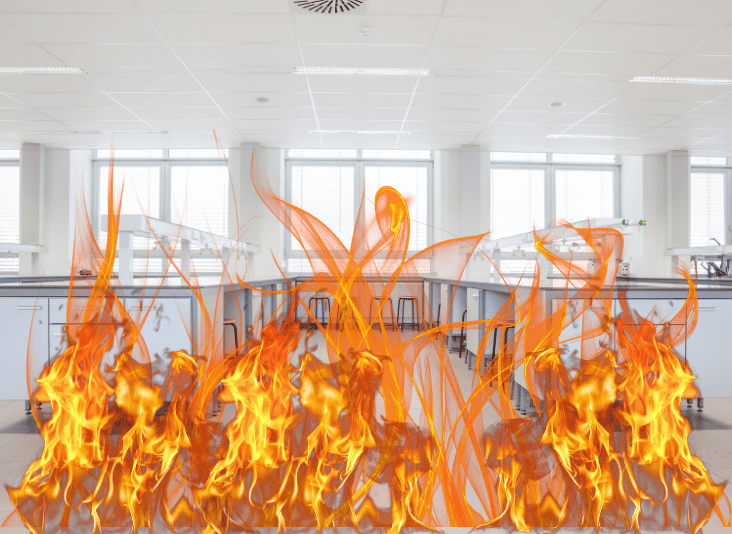
A fire burns uncontrolled in a laboratory environment. Fire prevention and suppression techniques are needed.
Safety

Lab Fire Safety: Connecting Fire Prevention and Suppression

The United States, on average, experiences about 5 chemical incidents per week. These incidents can lead to widespread fires, including a recent ...

Laboratory professional examines a biological sample while following biosafety procedures in a research laboratory.
Regulatory Compliance

Draft NIH Biosafety Policy for Research Involving Biohazards

The National Institutes of Health (NIH) is moving toward a broader, risk-based biosafety framework that could affect research governance, ...
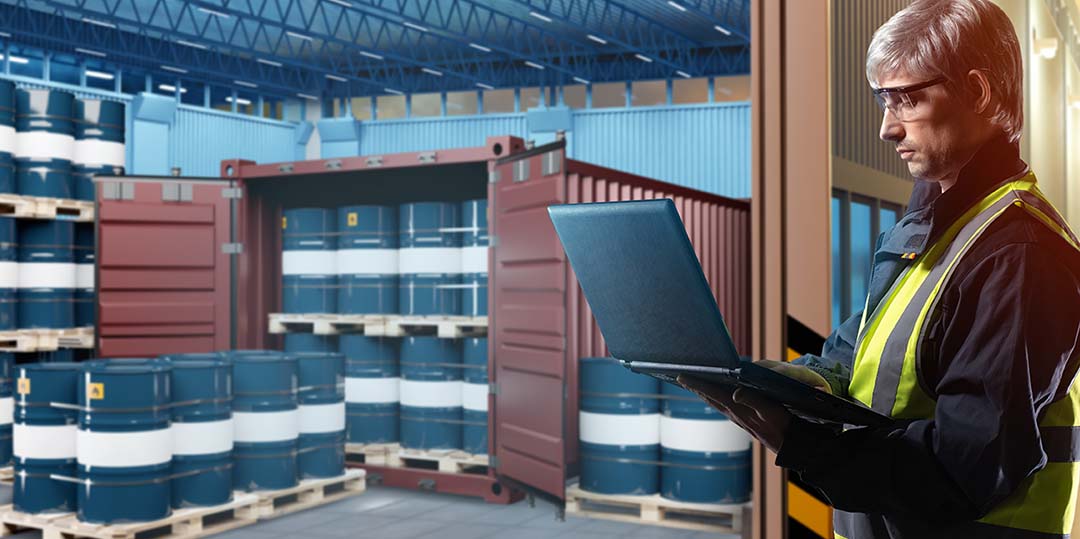
EHS employee documenting hazardous waste drums during facility inspection.
Hazardous Materials

Reduce Hazardous Waste Disposal Costs with TSDFs

Every year, organizations spend millions managing hazardous waste—but many are trying to optimize the wrong cost centers. While disposal fees receive ...
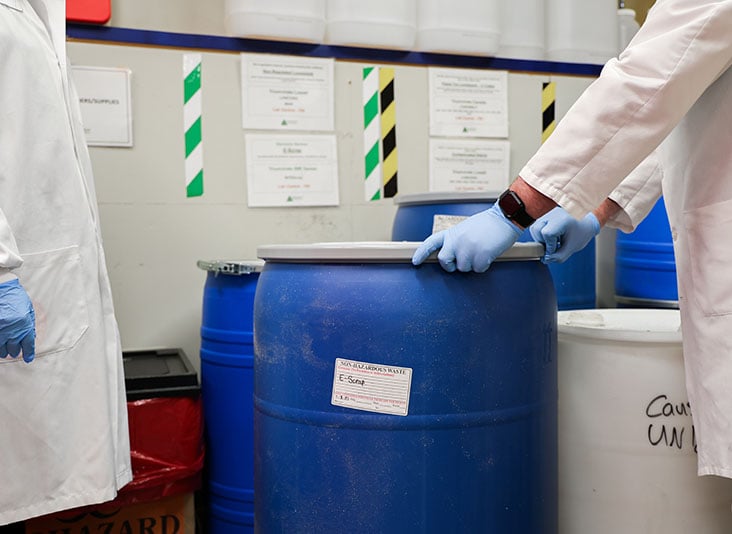
Labeling and classifying waste containers in a multi-site waste management program.
Hazardous Materials

Multi-Site Waste Management Strategies for Scalable Operations

Multi-site companies rarely design their waste programs from a blank page. More often, they inherit them through growth: A new facility opens. A lab ...

Industrial worker in a hard hat reviewing data on a laptop in a warehouse or manufacturing facility.
Waste Management

3PL Compliance Gap Analysis for Supply Chain Organizations

Warehouses and distribution centers today handle an ever-growing mix of products: regulated goods, defective goods, damaged materials, a nd more. A ...