



ChemTracker: The Importance of Knowing Your Chemical Inventory
Posted on Mon, Jun 28, 2010 @ 09:41 AM
By Meagan Collins, Environmental Compliance Specialist
As security and safety measures rise, it is very likely that local, state, and federal organizations will be stricter about enforcing environmental regulations and policies. Organizations of particular interest include the EPA, OSHA, and local fire departments.
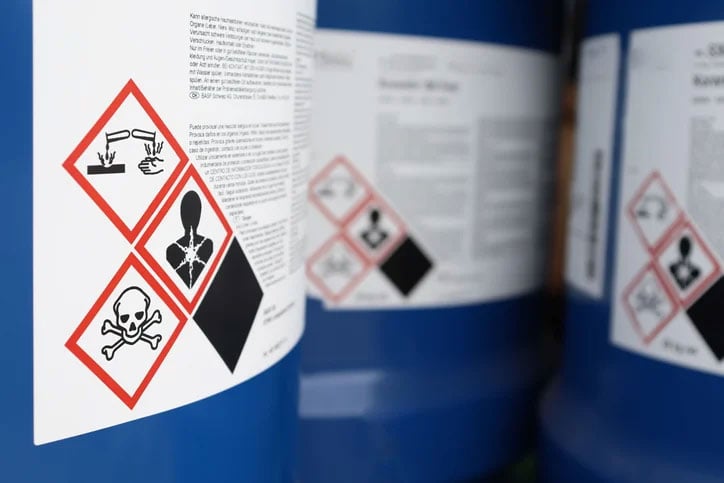
When an audit or inspection is performed, it is extremely helpful to have a current inventory of chemicals available. Pertinent information about each chemical onsite should include location, quantity, CAS number, and hazard class where applicable. Having an accurate chemical inventory is important for safety and regulatory compliance, including reporting hazardous chemicals in Tier I and Tier II forms mentioned in 40 CFR. This issue is of high importance to Environmental Health and Safety (EH&S) departments of higher education institutions.
ChemTracker is a web-based chemical inventory database hosted by Stanford University, started in the mid-1980s. After Stanford experienced success with the system, other higher education institutions expressed an interest in accessing the program. Both EH&S departments as well as individual labs find ChemTracker helpful with maintaining chemical stocks and in meeting compliance standards. Higher education institutions that use ChemTracker include MIT, Cornell, and the CUNY system.
The integrity of information in ChemTracker is the result of years of research as well as trial and error by Stanford University. Inventory in ChemTracker is linked to the ChemTracker Reference Database, also maintained by Stanford University. The ChemTracker Reference Database contains over 11,000 unique chemicals as well as 49,000 chemical synonyms.
The process begins when a lab’s chemical inventory is entered in ChemTracker. From there, it is easy to change, modify, and delete stock. Inventory is linked to a “chemical owner” who can make changes, and modify stock for purchasing purposes. Likewise, lab managers and EH&S find that links for MSDS information and hazard classes to be very useful. Reports can be run using parameters such as chemical owner, room, or department to get a summary report by hazard class. Once the initial inventory is set up, maintaining an accurate chemical inventory database is as easy as clicking a mouse.
Sources:
- Gibbs, L.M. “ChemTracker Consortium – The higher education collaboration for chemical inventory management and regulatory reporting”. Chemical Health and Safety. Volume 12, Issue 5, September-October 2005, pages 9-14.
- http://med.stanford.edu/somsafety/messageboard/archives/chemical_inventory_updates/index.html, Accessed June 2, 2010.
- http://www.epa.gov/oem/content/epcra/index.htm, Accessed June 10, 2010.